We polled our colleagues to see what everyone’s must-have healthy ingredients were. Whether you're stocking up for the new year or just looking for a new favorite find, read on to see our team's picks.
Scroll For More Photos
1 / 20
Whole Skin-On Almonds
Roast batches and eat for a snack, or chop and throw into salads. Store in the freezer for freshness.
More photos after this Ad
2 / 20
2% Greek Yogurt
The perfect middle-of-the-road option (full-fat can be too intense and 0 percent is missing a little something). Use to make salad dressings or as a marinade for meat. Or try it with savory toppings like shredded cucumber and fresh herbs.
Hard-boil a few (or a dozen) once a week and keep them in your fridge for a quick, protein-packed snack. Or top just about anything with a poached or fried version for a satisfying yolky experience.
More photos after this Ad
4 / 20
Baby Greens
Throw them by the fistful into salad, soups and smoothies. The baby versions are tender and don’t need any prep (which totally justifies spending a little more).
More photos after this Ad
5 / 20
Canned Beans
Start a collection. They are inexpensive and packed with fiber, folate and iron. Add them to salad, soups and stews.
More photos after this Ad
Photo: Vitali Dyatchenko
6 / 20
Whole Grains
Any kind, really; brown rice, spelt, farro, quinoa, wheat berries, buckwheat, amaranth. We like millet, which is a versatile gluten-free grain that can be cooked into a fluffy pilaf or creamy porridge, or even popped like popcorn.
More photos after this Ad
7 / 20
Dried Shiitake Mushrooms
You may need to do a little online searching to find them, but these dried shrooms are your friends. They're packed with umami and add a deep flavor to soups, broths and whatever else you can come up with!
More photos after this Ad
8 / 20
Buttermilk
For those who don't like the thickness of yogurt but love the probiotics. Buttermilk is naturally low-fat and can be used in smoothies and salad dressings. You can drink it plain too.
More photos after this Ad
Photo: Bajinda
9 / 20
Lemon
Think of this citrus fruit as a two-for-one ingredient: Lemon juice is great on roasted vegetables (especially potatoes), and lemon zest can be added to just about anything for a citrusy brightness.
More photos after this Ad
Photo: Sharon Foelz
10 / 20
Chia Seeds
Make sure to bloom these in liquid before eating. They're an easy way to add serious fiber and some omega-3s to your diet.
More photos after this Ad
11 / 20
Whole-Wheat Pastry Flour
Great for baking. It's less refined than all-purpose flour and also less harsh and tough than regular whole-wheat flour. (Be careful when subbing into baked goods; it needs less liquid.)
Adds tons of flavor without a lot of calories. Use a rasp grater to prep a cheese wedge yourself; the finer you grate it, the less you'll have to use. Save the rind to throw into soups for an extra umami boost.
More photos after this Ad
Photo: Roman Ivaschenko
13 / 20
Apple Cider Vinegar
Use for vinaigrettes or splash into stews and chilis for a last-minute pop of brightness.
More photos after this Ad
14 / 20
Hot Sauces
Collect them all, from all over the world! A little goes a long way on anything that needs extra pep and heat.
More photos after this Ad
15 / 20
Crushed Red Pepper Flakes
Beyond just the pizzeria shaker, these little guys are great both for cooking and for adding a little last-minute zing of heat.
More photos after this Ad
Photo: Mood Board
16 / 20
Toasted Spices
Try single spices, like cumin or coriander, or blends like ras el hanout (a Moroccan spice blend) or curry powder. Cook with them for an added layer of flavor, or sprinkle over braised meats and roasted vegetables before serving.
More photos after this Ad
17 / 20
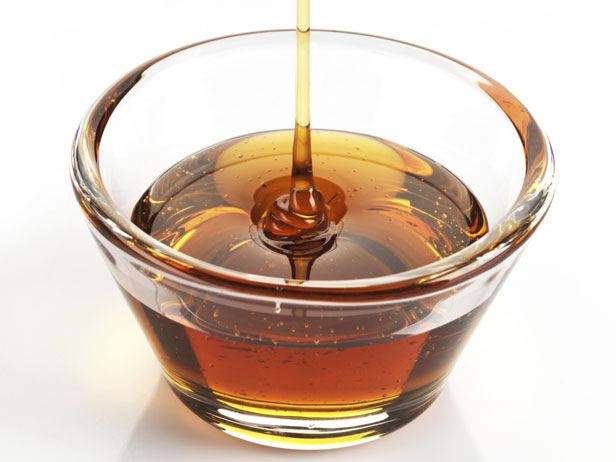
Pure Maple Syrup
Invest in a small jug and keep in the back of your fridge. Use it sparingly when you want to sweeten something (but not as a replacement for sugar in conventional baking recipes).
More photos after this Ad
Photo: Maxuser
18 / 20
Olive Oil (Not Extra Virgin)
Provides a mild flavor for vinaigrettes, roasting and stovetop cooking. It's also high in healthy monounsaturated fats.
More photos after this Ad
Photo: Jurgakarosaite
19 / 20
Virgin or Extra Virgin Unrefined Coconut Oil
Unrefined is more flavorful; we love to use it for cooking shrimp. Use either type sparingly, because both are high in saturated fat (although one particular fatty acid, lauric acid, may have immunity-boosting powers).
More photos after this Ad
Photo: Mariusz Blach
20 / 20
Avocado
Packed with healthy fats. Eat plain with a spoon right out of the shell, or let ripen a little and spread on toast instead of butter.



.jpg.rend.hgtvcom.126.196.suffix/1789013089131.jpeg)