



Next Up

10 Slow-Cooker Mistakes That Could Be Ruining Your Dinner

September 29, 2026
Follow Taylor on:

This convenient appliance does most of the work for you, but a few common missteps can leave food dry, watery, or underwhelming.

Photo: Kristen Prahl
Scroll For More Photos
1 / 11

Slow-Cooker Mistakes Everyone Makes

The slow cooker has earned its reputation as a set-it-and-forget-it appliance, but successful slow cooking isn’t quite as simple as tossing everything into the crock and walking away. Because the appliance cooks with gentle heat inside a covered environment, choices that seem insignificant, like adding an extra cup of broth or lifting the lid for a quick peek, can have a noticeable effect on the finished dish.

Fortunately, the most common mistakes are easy to correct. Start with a recipe designed for the appliance and follow its directions closely. Once you understand how the appliance works, you can use these tips for adapting recipes for a slow cooker to transform soups and stews, chili, braises and other favorites into hands-off meals.

Plus, Easy Meals That Are Made for the Slow Cooker

More photos after this Ad

Photo: steele2123
2 / 11

Using the Wrong Cut of Meat

Long, gentle cooking is ideal for tough, collagen-rich cuts such as chuck roast, pork shoulder, short ribs and lamb shanks. Given enough time, their connective tissue softens into gelatin, creating succulent meat and a rich cooking liquid. Lean, naturally tender cuts, including pork tenderloin and boneless, skinless chicken breasts, can become dry or stringy after spending all day in the slow cooker. Choose a cut suited to prolonged cooking, or use a recipe that adds leaner meat later and cooks it only until done. Dark-meat chicken is generally more forgiving than chicken breast.

More photos after this Ad

Photo: DAVID FREUND
3 / 11

Starting With Frozen Meat

A slow cooker heats gradually, so a frozen roast or package of chicken may spend too long at temperatures where bacteria can multiply. Thaw meat completely in the refrigerator before adding it to the crock. Vegetables should generally be thawed as well unless the recipe specifically calls for frozen ones. The exception is a commercially prepared frozen slow-cooker meal with package directions that explicitly instruct you to cook it from frozen. If you forgot to defrost dinner, choose a faster cooking method instead of simply extending the slow-cooker time.

More photos after this Ad

Photo: LAURA K EISENBERG
4 / 11

Over- or Under-Filling the Crock

How full the crock is affects both cooking time and temperature. An overfilled slow cooker heats inefficiently and may bubble over, while a nearly empty one can cook food too quickly and cause sauces to scorch around the edges. As a general rule, aim to fill the insert between halfway and two-thirds full, unless the manufacturer or recipe directs otherwise. Large roasts are fine as long as they fit comfortably and the lid closes completely. If you frequently scale recipes up or down, consider keeping slow cookers in two different sizes rather than using one oversized model for everything.

More photos after this Ad

Photo: steve cicero
5 / 11

Adding Too Much Liquid

Unlike a Dutch oven or saucepan, a covered slow cooker allows very little moisture to evaporate. Meat and vegetables also release juices as they cook, so adding enough broth to completely submerge everything can turn a hearty braise into a thin, diluted soup. When converting a conventional recipe, begin with considerably less liquid and add more only if needed. If the sauce is still watery at the end, remove the lid and cook on high briefly, transfer the liquid to a saucepan to reduce or stir in an appropriate thickener, such as a cornstarch slurry.

More photos after this Ad

Photo: HENDRIK_STEYTLER_PHOTOGRAPHY
6 / 11

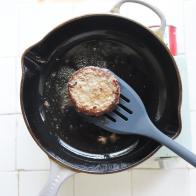
Skipping the Browning Step

Slow cookers are excellent at tenderizing food, but most models can’t produce the intense heat needed for deep browning. Searing meat and sautéing aromatic vegetables first creates complex roasted flavors that gentle cooking alone cannot replicate. This step is especially worthwhile for ground meat, which can otherwise cook into pale, greasy clumps. Brown it in a skillet, drain any excess fat and then transfer it to the crock. When time is tight, you can occasionally skip the extra pan but don’t expect exactly the same depth of flavor.

More photos after this Ad

Photo: Grace Cary
7 / 11

Lifting the Lid Too Often

It’s tempting to lift the lid, stir the pot and see how dinner is progressing, but every peek releases heat and steam that the slow cooker must rebuild. That can noticeably lengthen the cooking time, particularly during the first several hours. Unless the recipe tells you to stir or add an ingredient midway through cooking, leave the lid in place. Look through the glass instead, and begin checking for doneness only near the end of the recipe’s suggested time. If you do remove the lid, replace it promptly and make sure it sits securely.

More photos after this Ad

Photo: DMILSTEN
8 / 11

Layering the Ingredients Incorrectly

Firm vegetables such as potatoes, carrots and rutabagas often take longer to soften than meat does in a slow cooker. Cutting them into evenly sized pieces and placing them near the bottom and sides of the crock helps everything finish at approximately the same time. More delicate vegetables can go on top or be added later. Resist the urge to leave root vegetables in enormous chunks simply because they will be cooking for hours. The low heat may still leave their centers surprisingly firm.

More photos after this Ad

Photo: Lauri Patterson
9 / 11

Adding Dairy, Pasta and Fresh Herbs Too Early

Not every ingredient benefits from an all-day simmer. Milk, sour cream, and yogurt may separate or curdle, while pasta can absorb too much liquid and become mushy. Fresh herbs and quick-cooking vegetables may lose their color and flavor altogether. Unless a tested recipe instructs otherwise, add dairy and cooked pasta near the end, giving them just enough time to heat through. Add tender vegetables according to how long they need to cook, then finish the dish with fresh herbs just before serving. This staggered approach preserves texture while still delivering slow-cooked flavor.

More photos after this Ad

Photo: Karen Allen
10 / 11

Regularly Using Disposable Slow-Cooker Liners

Slow-cooker liners are generally considered safe when used according to their instructions. The larger drawback to using one every time is waste: Each meal sends another single-use plastic bag to the trash. For easier cleanup with less waste, look for a reusable silicone insert that fits your model and is approved for cooking, or choose a slow cooker with a dishwasher-safe crock. You can also soak the cooled insert in warm, soapy water and loosen stubborn residue with baking soda and a nonabrasive sponge. Save disposable liners for occasions when their convenience is genuinely useful.

More photos after this Ad

Photo: Daniel Llao Calvet
11 / 11

Forgetting To Adjust the Flavor Before Serving

After hours of cooking, even a well-made dish can taste muted. Long cooking mellows aromatics, softens spices, and blends individual flavors together, while the lack of evaporation may leave seasonings more diluted than expected. Taste the food before serving and make any final adjustments. Salt may be all it needs, but a squeeze of lemon, splash of vinegar or dash of hot sauce can balance a rich stew or braise. Fresh herbs, citrus zest, grated cheese or good olive oil can provide contrast and make the finished meal taste more exciting without adding much extra work.

Next Up

We Recommend