

.jpg.rend.hgtvcom.126.196.suffix/1789013089131.jpeg)













Your Burning Summer Questions, Answered
Our food experts take on the tough topics!


thianchai sitthikongsak/Getty
When it comes to food safety, there are some frequently asked questions... and maybe some that we're too afraid to ask. Don't worry — the Food Network Magazine editors are here to clear up the do's and don'ts of summer cooking.
Should I haggle at the farmers' market?
Farmers' market sticker shock is real, but before you try to cut a deal, consider this: Vendors set prices that cover the cost of growing your food, including labor. If every customer negotiated down the price, these small businesses wouldn't be sustainable. When you pay full price, you can feel good about supporting a local business!
Can I eat burnt marshmallows?
Go for it, but not every day! The chemical acrylamide develops in starchy, sugary foods like marshmallows when they're cooked at high heat, and studies have shown acrylamide to be dangerous to lab animals in very large doses. However, those levels are much greater than anything in human food, so you're pretty safe eating your s'mores!

Ralph Smith
Is sun tea safe?
Brewing tea in the sun is a fun idea, but even on a scorching day, the liquid won't get hot enough to prevent bacteria growth (140 degrees F, according to the USDA). You're better off making cold-brew iced tea: Combine 8 cups cold water and 10 tea bags in a pitcher. Cover and refrigerate 15 to 36 hours. Remove the tea bags and sweeten to taste.
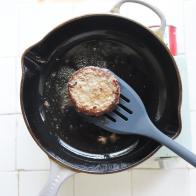
Am I cheating if I buy preformed burger patties?
Not at all — they're super convenient — but you'll get a better burger if you form your own. You can control the type of meat (we like ground beef chuck) and the size and thickness, and you can also form the patties loosely, which makes them juicier.
Can I use the same tongs to flip food and serve it?
If you're grilling vegetables, no problem. If you're making any kind of meat or fish, you'll need two pairs of tongs: one for the raw food and one for the cooked to avoid cross-contamination. The same rule applies to boards, spatulas, spoons and other tools.
How long can potato salad sit out?
If you're serving potato salad outside, you may only have a one-hour window before it's in the danger zone (when bacteria grows). To serve potato salad safely, store it in the fridge until you're ready to eat it, or put the bowl in a larger bowl of ice during the party.

Antonis Achilleos
If my ice cream melts, can I refreeze it?
You can, but it won't taste great. When ice cream is churned, air is whipped into it, which gives it a soft, fluffy texture. When it melts, that air is lost, so the refrozen version is dense, icy and nowhere near as enjoyable!
Is it OK to peel back corn husks at the grocery store?
Only if you're buying that ear! Some shops provide a bin so you can shuck before you get home, but you shouldn't peel back husks just to take a peek; this can dry out the corn and leave it open to bacteria if you leave the ear behind. You can easily tell if corn is fresh from the outside: Look for tight green husks and moist golden silks poking out of the top. Avoid any ears with dry brown husks or slimy silks.
Is dog-friendly ice cream all that different from the human kind?
It sure is! Ice cream that's designed for dogs is made with a lot less sugar and dairy, which can be hard for dogs to digest. It also won't contain any chocolate or xylitol, a sweetener found in certain kinds of peanut butter that's dangerous for dogs. Beware before you sneak a taste: Some dog ice cream is flavored with savory ingredients like bacon and cheese!
Can I let my dog lick the plates before I load the dishwasher?
It's not a great idea. Your pup could wind up consuming something dangerous. Many common human foods can be harmful to dogs, including onions and garlic. Plus, your dog could transfer bacteria such as salmonella to the plates, and the dishwasher alone might not be enough to kill it. Have your furry friend stick to their own bowl!
Related Content:


