







FoodNetwork Site Search Results
Refine by:
-
Chef
- Ree Drummond (168)
- Ina Garten (77)
- Food Network Kitchen (63)
- Sandra Lee (41)
- Anne Burrell (29)
- Alex Guarnaschelli (19)
- Giada De Laurentiis (19)
- Sunny Anderson (18)
- Trisha Yearwood (17)
- Geoffrey Zakarian (16)
-
Show
- The Kitchen (54)
- Cooking Live (14)
- Food Network Challenge (12)
- Halloween Wars (11)
- Halloween Baking Championship (9)
- Ultimate Recipe Showdown (9)
- Emeril Live (8)
- Food Network Specials (8)
- Trisha's Southern Kitchen (8)
- The Best Thing I Ever Made (7)
- Ingredient
- Course
- Dish
- Recipes Only
Showing 2,851 - 2852 of 2,852 results for best halloween recipes
Small Dinner Party
Episode
| From:
How to Boil Water
Jack wants to have an intimate dinner party and asks Frederic for some recipes that won't keep her chained to the stove. Jack learns the recipes for Chili Rubbed Pork Tenderloin with Creamed Corn.
Episode Guide
Below you’ll find a helpful episode guide for cooking along with Frederic and Jack, as well as tips and recipe rescues.
Equipment List:
Broiler pan
Aluminum foil
Tongs
Chef’s knife
Cutting board
Dry measuring cups
Medium skillet with lid
Liquid measuring cup
Measuring spoons
Instant-read thermometer
Wooden spoon
Carving knife
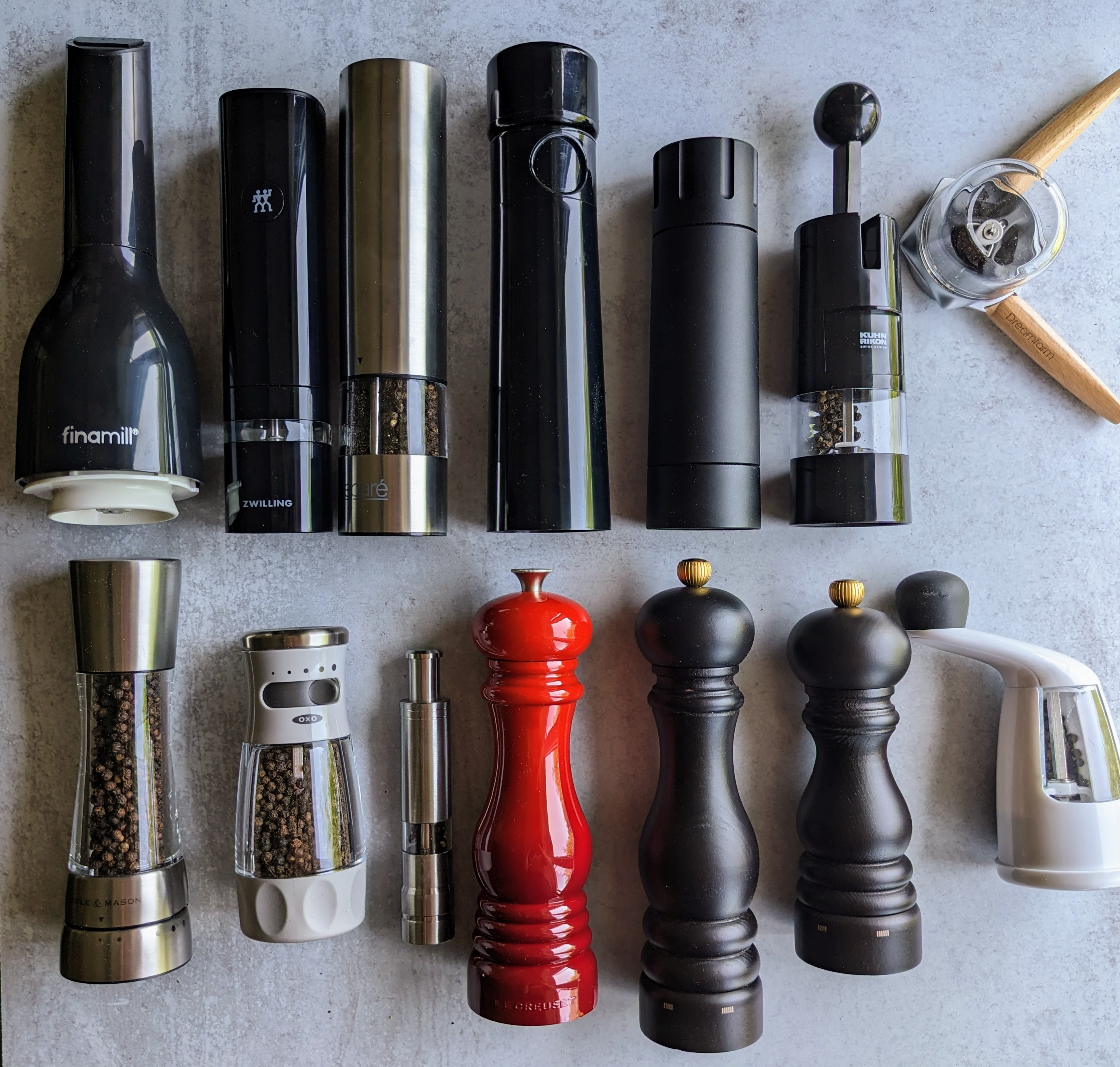
Pepper mill
Medium bowl
Tips:
Broiling:
Broiling is a dry-heat cooking method where the food is placed directly under and very close to the radiant heat source above it. The food cooks more quickly since it is so close to the heat source.
You can adjust the racks in your oven to position them 3 – 4 inches from the broiler.
Watch foods carefully while broiling; the food is so close to the heat that it can easily start to burn.
Dry rubs:
A dry rub can be made from a combination of any of your favorite spices and dried herbs.
Dry rubs act like marinades in that they flavor the food, but they don’t require any time to marinate since the rub sticks to the food. Therefore, they are a quick solution to enhancing the flavor of different meats.
Selecting corn:
Choose corn with bright green, snugly fitting husks, and golden silk. Stems should be green and moist, not woody.
Kernels should look plump and milky, come all the way to the ear’s tip, and the rows should be tightly spaced.
Avoid ears with blackened, opened and tattered husks, and those with black silks.
Try to purchase corn that has just been picked. Corn is best cooked and served on the day it is bought, but if you must store it, keep it in the refrigerator with the husks on.
The peak season for fresh corn is May through September.
Recipe Rescues:
The exterior of the pork is burned – Slice off the burnt areas, and then carve as usual.
The pork is too dried out – Add a little broth or other cooking liquid to the pan with the pork, cover it with a lid or foil, and then let it steam to re-moisten the interior.
Corn is unripe – You can still cook with it, but add a little sugar during cooking to make up for the lack of natural sugar.
Creamed corn is not thick enough – Make a slurry out of cornstarch and cold water, and then add 1 – 2 tablespoons of it to the corn mixture. Stir to evenly incorporate the slurry, and continue cooking for several minutes to get rid of the starchy taste.
Creamed corn is too salty – Add more cream, and more corn if you have it.
Pan Roasted Pork Chops
Episode
| From:
How to Boil Water
Jack asks Frederic to teach her how to make succulent, juicy pan roasted pork chops with a quick apple chutney on the side.
Episode Guide
Below you’ll find a helpful episode guide for cooking along with Frederic and Jack, as well as tips and recipe rescues.
Equipment List:
Vegetable peeler
Chef’s knife
Microwave-safe bowl
Microwave
Measuring spoons
Large oven-proof skillet
Tongs
Cutting board
Aluminum foil
Pepper mill
Flat spatula
Dry measuring cups
Instant-read thermometer
Tips:
Cooking thin vs. thick pork chops:
Pan-frying, grilling, or broiling are best cooking methods for pork chops.
Look for chops cut 1 1/4 to 1 1/2 inches thick. Thinner chops are more prone to drying out.
Thin chops need some protection; breading is a good way of insulating the meat and keeping the juices inside. A thick spice rub or a marinade serves a similar purpose, and also adds some flavor.
Searing, tenting, and resting meat:
Searing is a very high-heat, fast cooking method used to brown the exterior of the meat and produce a nice crisp crust; searing adds flavor to meat and seals in the juices.
Tent meat to keep it warm while resting, but don’t let foil touch meat, as this affects crust and does not give it the room it needs to rest.
Meat needs to rest so that the juices redistribute throughout the piece of meat. If you cut into the meat immediately, you lose at least half of its juices.
Cooking with apples:
Macintosh, Fuji, Granny Smith, Rome Beauty, Empire, and Golden Delicious varieties are all good for cooking.
A high sugar content and a high acid content are both desired, as well as an apple that holds it shape when cooked.
Recipe Rescues:
Dry Pork Chops – Briefly simmer in a little broth or cooking liquid to re-moisten the interior. Remember that carry-over cooking will raise the internal temperature of the chops several degrees, so next time remove from heat sooner.
Mushy Apples – Cooking them (like in the chutney) is the best way to use mushy apples. When selecting apples for cooking, choose ones that feel rock hard and do not have any brown spots or blemished areas.
Oil Begins Smoking – Take it off of the heat and let it cool down before adding pork chops. Make sure the chops are dry before adding them to the pan; any amount of water will make the oil spatter.
Pan Begins Burning – Transfer the chops to a new skillet, or remove them to a platter while you clean the pan. Add more oil, and then continue searing. If you have finished searing, finish cooking them in the oven in a new oven-safe pan or platter.
Pork Chops Curl/Cook Unevenly – Keep them flat while cooking by gently pressing down with a flat spatula. Look for chops with even thickness throughout.