



Next Up

10 Marinating Mistakes That Can Ruin Dinner (and What To Do Instead)

June 23, 2026
Follow Taylor on:

Avoid the common pitfalls of marinating beef, chicken, fish and vegetables by following these tips from the pros.

Photo: repinanatoly
Scroll For More Photos
1 / 11

Common Marinating Mistakes To Avoid

Marinating is one of the easiest ways to build flavor, whether you’re preparing chicken for meal prep, beef for tacos or a juicy steak for a backyard barbecue. Once you nail the basic formula, you can turn everyday pantry staples into a flavorful marinade for everything from vegetables to tougher, more-affordable cuts. While learning the basics of marinating is relatively simple, getting the best results isn’t always as straightforward.

Many home cooks assume every protein benefits from an overnight soak — or that adding more acid, sugar or seasonings automatically makes a better marinade. In reality, the opposite is often true. The wrong marinade, or even the right marinade used incorrectly, can leave chicken rubbery, steak mushy or grilled food without the deeply browned crust you’re after. We asked professional chefs to share the biggest marinating mistakes they see home cooks make, along with the simple fixes that help you get better results every time.

More photos after this Ad

Photo: BURCU ATALAY TANKUT
2 / 11

Marinating Every Cut of Steak

A marinade isn’t automatically an upgrade. In fact, some of the best steaks are better off without one. “We put a lot of care into our dry-aging process and wood-fired cooking, so… the beef already has incredible flavor. A marinade can actually cover up what makes those cuts special,” says Chef Nicklas Lucich of Andrew Steak Society, in New York City, New York. “Where marinades really shine is with leaner or tougher cuts like skirt steak, flank steak or hanger steak.” If you’re going to spring for a premium cut, stick to just a sprinkle of salt before cooking and save the marinades for tougher, leaner cuts.

More photos after this Ad

Photo: vovashevchuk
3 / 11

Assuming Longer Is Always Better

When it comes to marinating, more time doesn’t necessarily mean more flavor. Acidic ingredients like citrus juice, vinegar and wine slowly break down proteins. While that can help tenderize tougher cuts, leaving food in an acidic marinade for too long can have the opposite effect, creating a mushy or mealy texture instead of a tender one. Chef Harrison Porter of Bear Leek, in Denver, Colorado, says marinating times should vary depending on what you're cooking. “The leaner the protein, the less marinating time is needed,” says Porter. “For example, I wouldn't want to marinate chicken for more than a few hours. A fattier steak, however, could use a longer marinating time.”

More photos after this Ad

Photo: ALLEKO
4 / 11

Letting Acid Take Over

Acid is one of the most important components of a marinade, but it’s also one of the easiest to overdo. Ingredients like lemon juice, vinegar, wine and yogurt all help tenderize food by breaking down proteins, but too much acid or too much time in the marinade can leave meat with an unpleasantly mushy texture. Lucich adds that highly acidic marinades can “start breaking down the meat too much,” causing steaks to lose their firm, meaty bite. Chef Britt Rescigno of Fiamma in Sun Valley, Idaho, agrees, explaining that excess acid can actually coagulate the proteins, leading to undesirable texture and flavor. Instead of relying on acid alone, build a balanced marinade with oil, aromatics and herbs, and don’t forget about it in the back of your refrigerator.

More photos after this Ad

Photo: Yuki Kondo
5 / 11

Adding Too Much Sugar

A little sweetness helps create beautiful caramelization and a nice balance of flavor with acid, spice or heat. Sugar and honey burn quickly over high heat, which means a marinade that’s too sweet can char before the inside of the meat has finished cooking. “A little bit can help with caramelization, but too much burns quickly — especially over high heat or open flame — and can leave the steak tasting bitter,” says Lucich. Chef Paul C Reilly, culinary director of Coperta in Denver, Colorado, also avoids overly sweet marinades for grilling, noting that when he wants sweetness in Mediterranean, Latin American, or Asian-inspired dishes, he’ll often use a touch of cinnamon instead. The warming spices give the impression of sweetness without increasing the risk of burning.

More photos after this Ad

Photo: Instants
6 / 11

Putting Meat on the Grill While It’s Still Wet

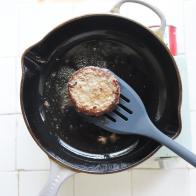
One of the quickest ways to sabotage a good sear is to introduce too much moisture. The chemical process that creates browning doesn’t work if the meat or vegetable isn’t properly dried. Excess liquid creates steam, making it difficult for the surface to develop a crust. Lucich hates to see a piece of meat hit the grill still dripping with marinade. “I always recommend taking the steak out of the marinade, patting it dry really well, and letting it sit for a few minutes before cooking”, he says. “That dry surface is what gives you that deep, flavorful sear everyone loves.”

More photos after this Ad

Photo: Magone
7 / 11

Skipping the Salt

It’s easy to get caught up in citrus, herbs and spices and forget the ingredient that does the heavy lifting: salt. One of the biggest misconceptions about marinating according to Rescigno is that you can’t add salt to a marinade. “You absolutely can!” she says, adding that marinades always benefit from additional seasonings to layer flavors and create a dynamic dish. Salt not only seasons the meat but also helps it retain moisture and enhances the other flavors of the marinade. Just be mindful if your marinade already contains salty ingredients like soy sauce or Worcestershire sauce and adjust accordingly.

More photos after this Ad

Photo: ArtistGNDphotography
8 / 11

Ignoring Your Vegetables

Marinades aren’t just for meat. Vegetables can benefit just as much from a flavorful soak, though they don’t all behave the same way. Porter recommends thinking about the texture of the vegetable before deciding how long to marinate it. Delicate vegetables can become soggy if left too long, while sturdier, more-fibrous vegetables like cabbage benefit from several hours in a marinade or brine. Matching the marinating time to the vegetable’s texture will help maximize flavor without sacrificing crispness.

More photos after this Ad

Photo: LauriPatterson
9 / 11

Using a Marinade When a Dry Rub Would Work Better

Marinades aren’t always the fastest path to flavorful food. While they can add flavor and help tenderize tougher cuts over time, they need several hours to make a meaningful impact. If dinner is only an hour away, Reilly says you’re better off skipping the marinade altogether. “True marinating really needs to be done in excess of six to eight hours,” he says. “If you don’t have that long, consider a rub. It basically does the same things and can be applied minutes before cooking.” Dry rubs coat the surface with herbs, spices and salt, creating a flavorful crust without the wait.

More photos after this Ad

Photo: Candice Bell
10 / 11

Marinating at Room Temperature

Leaving meat on the counter to marinate may seem like a way to speed up the process, but it’s also one of the biggest food safety mistakes you can make. Harmful bacteria multiply rapidly between 40 and 140 degrees F, also known as the “danger zone.” According to the USDA, meat, poultry and seafood should always be marinated in the refrigerator. If you plan to use some of the marinade as a sauce after cooking, reserve a separate portion before adding the raw meat or boil the used marinade thoroughly before serving.

More photos after this Ad

Photo: Yulia Reznikov
11 / 11

Using a Marinade When You Really Need a Brine

Although they’re often lumped together, marinades and brines aren’t interchangeable. Porter explains that both techniques improve flavor and texture, but they do so in different ways. A marinade typically contains oil, acid and seasonings to flavor the exterior of food while lightly tenderizing it. A brine, on the other hand, relies primarily on salt and water to penetrate deep within the protein. Reilly prefers brining pork, chicken and fish because it adds flavor while making the proteins more forgiving if they’re accidentally overcooked.

Next Up

We Recommend