

.jpg.rend.hgtvcom.126.196.suffix/1789013089131.jpeg)













10 Common Mistakes That Are Ruining Your Nonstick Pans
Ensure your nonstick pans last as long as possible!


Westend61/Getty Images
By Dana Beninati for Food Network
I can still hear my mom’s sage warning in my head as I reach for my nonstick egg pan — "Don’t you dare stir those eggs with a metal spoon!". I never quite appreciated why she was so passionate about this subject until I became a professional chef. Now I understand what my mom already knew — protecting the coating of your nonstick pans is akin to protecting yourself. Here are the basics to ensure your nonstick pans deliver on their promise and last as long as possible.
1: Never Use Metal Utensils
They are guaranteed to scratch the coating of nonstick pans, no matter how gentle a touch you may use. Instead, reach for heat-proof silicone utensils or the classics made from wood and plastic.


2: Never Preheat While Empty
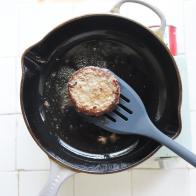
The coating of these pans is what makes them so special (but also so sensitive). Heating nonstick pans while empty puts this coating in danger and can also lead to damage of the pan’s shape. Be sure to put a small amount of fat in the pan before you begin to heat it.
3: Never Use Nonstick Cooking Spray
Speaking of prepping your pan with some fat, avoid using any aerosol cooking sprays. These sprays contain additives that do not play well in the sandbox with your pan’s nonstick coating. Instead, use pure fats in their natural form like oils, butter or ghee.


4: Never Use It for High-Heat Cooking
Just as direct heat can be damaging to empty nonstick pans, any degree of high heat can also be detrimental to their durability, whether empty or full. Always place your nonstick pans over low or moderate heat.
5: Never Pay Too Much
Nonstick pans come in a wide variety of price points and materials, including anodized aluminum, ceramic, silicon, enameled cast iron and polytetrafluoroethylene coatings (such as Teflon). However, there is very little connection between retail price and quality. The shelf life and long-term durability of your pans comes from how you care for them, not from their price tag. Follow these simple rules and the pans will last you for years.


6: Never Rinse with Cold Water
Avoid the urge to rinse or submerge a dirty nonstick pan into cool water, especially while still warm. Extreme thermal changes quickly lead to warped pans, which present a great challenge to even cooking or browning. Allow used pans to cool completely before you clean them.
7: Never Wash In the Dishwasher
When it comes time for that clean up, nothing beats good old dish soap and warm water. The thorough wash cycles and chemical detergents of mechanical dishwashing are overkill for your nonstick pans, as are abrasive sponges and cleaners. Your pans will last much longer if you spend a bit of extra time caring for them during cleanup.


8: Never Use It for Food Storage
Food left in these pans, especially those that are acidic like broths, rice, seafood or processed meats can eat away at the nonstick coating, causing irrevocable damage. These pans should be used for cooking only.
9: Never Stack
The most sensitive part of a nonstick pan is the surface coating. If you wish to nest your pans within one another, protect the coating by separating the pans with a paper towel, kitchen towel, or pan protector. Be sure that your pans are completely dry before being put away.


10: Never Use if the Coating Starts to Peel
How do you know that your nonstick pan needs to go? When the coating begins to show wear and tear, it’s time! If you continue to use nonstick pans with damaged coatings, some flecks of the pan material may end up in your food, which you definitely don’t want.
Related Content: