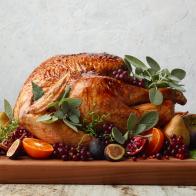





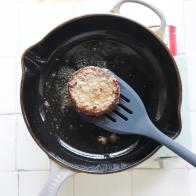
Next Up

Esther Choi’s New Cookbook Is a Tribute to Home Cooking, From Burgers to Bibimbap

November 24, 2026

In Hand Taste, alongside 100 dialed-in recipes, Esther teaches you how to feel more instinctive and inspired in your own kitchen.

Price and stock could change after publish date, and we may make money off these affiliate links. Learn more.
Photo: Janice Chung / Hand Taste: Cook Like a Korean Grandmother by Esther Choi. Copyright © 2026 Reprinted courtesy of Voracious, an imprint of Little, Brown and Company, a division of Hachette Book Group, Inc.
Scroll For More Photos
1 / 19

Esther Choi Dishes Up Her All-Time Favorite Recipes

You’re probably familiar with seeing Esther Choi in the arena on shows like Bobby’s Triple Threat (she topped the Titans by one point to walk away with $25,000!) and 24 in 24: Last Chef Standing (which she co-hosts with Michael Symon). New Yorkers know her as the culinary innovator behind buzzy restaurants like Mokbar and Ms Yoo. The professionally trained chef has grown to feel at home in all of those places. Still, if there’s one spot where she feels most grounded and most herself, it’s her home kitchen. That’s where she first discovered a passion for cooking, thanks to her halmoni (grandmother), who Esther said “was a legendary cook.”

Esther’s new book, Hand Taste: Cook Like a Korean Grandmother (Voracious, October 2026), dishes up tips and recipes she learned from her halmoni — and from her 27 years of professional culinary experience.

Buy the Cookbook

More photos after this Ad

2 / 19

So, What Is ‘Hand Taste’?

“Sohn-mat is a Korean phrase that defies simple translation,” Esther wrote in the introduction to her book. “My imperfect definition is that it means ‘hand taste,’ an instinct for cooking and seasoning that goes far beyond adding salt or acid to a dish. It’s the belief that your fingertips can impart flavor, like an invisible signature. It’s also about how you make people feel when they’re eating something you’ve made. It’s about who you are and the generations who came before you.”

For this reason, Esther admitted that her all-time favorite kitchen tool is something she’s owned all of her life: her hands. Hand Taste dishes up tips Esther has learned cooking at home and at work — and reveals how to grow more comfortable and instinctual as a cook yourself.

Buy the Cookbook

More photos after this Ad

Photo: Anders Krusberg
3 / 19

Cooking With Your Hands — And Your Heart

“Some say you inherit sohn-mat from your family,” Esther noted in her cookbook. If so, she conceded that she “lucked out with Halmoni.” That said, you need not have generations of natural cooks and bakers in your lineage to level up your home cooking. “I know that anyone can develop their own sohn-mat by honing their skills, paying attention to details, and working with their hands. You can also do this by living your life, choosing the less common path, and taking risks.”

Esther told us that she felt confident releasing this cookbook now because she had to develop her own skills and sixth sense. “Hand Taste has been a work in progress for many years, but I truly believe I needed to live my life, grow through my experiences and cook my way through it all before I could tell this story. I needed time to understand not just the food, but also the memories, people and experiences that shaped who I am today. This book is a reflection of that journey, and I finally feel ready to share it with the world.”

Buy the Cookbook

More photos after this Ad

Photo: Anders Krusberg
4 / 19

A Real Melting Pot

Within the pages of Hand Taste, you’ll find the secrets for how to create the greatest hits from Esther’s restaurant menus (we’re looking at you, kimchi fried rice and tteokbokki), as well as mashup recipes that speak to her Korean American roots, such as gochujang butter salmon and mango sticky rice crispy rice treats.

If you could only start with just one of these reinvented dishes, Esther would recommend the Kimchi Mac and Beef. It’s her twist on Hamburger Helper; something she used to covet because it was a common star on friends’ dinner tables. Esther's parents rarely let her eat it, “and we definitely never made it at home, which of course made me want it even more,” she laughed. “So this dish is really my homage to that childhood craving, but with my own Korean twist. It’s rich, cheesy, comforting, and nostalgic, and the kimchi brings this beautiful tang and acidity that cuts through all that richness. It’s one of those dishes you don’t realize you need in your life until you try it. It's my comfort food at its finest.”

Get Esther's Kimchi Recipe

More photos after this Ad

Photo: Anders Krusberg
5 / 19

Make These Recipes Your Own

In addition to the 100 recipes in Hand Taste, you can find additional tasty training — no tuition required — over on YouTube, where Esther hosts Cooking With Choi. Ideal for visual learners and anyone interested in gaining confidence using impactful yet budget-friendly ingredients like sesame oil, soy sauce, gochujang and seaweed, the digital series “feels like a dream,” Esther told us. “To have my very own cooking show, especially on Food Network, is so surreal. I grew up watching, so the little girl in me is still screaming!”

Through Cooking with Choi, Hand Taste and witnessing Esther at her restaurants or on other culinary shows, she hopes that readers feel empowered to discover their own sohn-mat. As you do so, know that you have full permission to break the rules: “Recipes are just a starting point, but the real magic happens when you trust your instincts, cook with feeling, and make a dish your own,” Esther said.

All About 'Hand Taste' and 'Cooking With Choi'

More photos after this Ad

6 / 19

Looking Back, Dreaming Forward

Releasing a cookbook, topping the Titans, beating Bobby Flay and opening several restaurants (and creating hundreds of jobs for others along the way) … it’s all been rewarding, Esther explained.

“But beyond all the career milestones, what I’m most proud of is being a good mom to my boy, Leon. Balancing a demanding career, entrepreneurship, and motherhood is incredibly challenging, especially when you’re trying to be a present mom without constantly feeling guilty! But I’m learning that it is possible,” she said. “It may not always be perfect, and I’m still figuring it out every day, but that’s the beauty of life, right? It’s a constant journey of growing, learning, and finding your own balance. And when I look at the life I’ve built for myself and my family, that’s what makes me the proudest.” (Above, she's pictured wearing her halomi's kimchi-making vest.)

Soon, Leon will be able to join Esther in the kitchen to start developing his own sohn-mat via these recipes — just like we can today.

How Esther Shares Her Heritage With Her Son

More photos after this Ad

7 / 19

Korean Fried Chicken

Sorry, Kentucky, but you’ve got some serious competition across the ocean. According to Esther, “In South Korea, there are probably more fried chicken restaurants than anywhere else in the world. It’s so common that many Koreans eat fried chicken one or two times per week.” There are many different types of this kind of “KFC,” but they share a couple of common features: dredging twice for a shatteringly crunchy exterior and frying twice — the first time at a lower temp to cook the chicken through, and the second at a higher temp to amp up the crisp factor. This Korean Fried Chicken recipe gets even better once you brush each extra-crispy piece in a gochujang-sesame barbecue sauce. It’s a main dish that’s a “must-try,” if you ask Esther.

Get the Recipe

More photos after this Ad

Photo: Janice Chung / Hand Taste: Cook Like a Korean Grandmother by Esther Choi. Copyright © 2026 Reprinted courtesy of Voracious, an imprint of Little, Brown and Company, a division of Hachette Book Group, Inc.
8 / 19

Tteokbokki

We’re not surprised to learn that this is one of the most popular menu items of all time at Mokbar. “Tteokbokki is a rice cake dish in a spicy-sweet sauce,” Esther said. Not to be confused with the crumbly, ’90s diet staple, these bite-size baton-shaped pieces are crispy on the outside, chewy on the inside, and designed to act as a vehicle for a tremendous amount of flavor from the rich, sticky gochujang sauce. Esther’s thoroughly Korean American rice cake creation tips a cap to one of her favorite breakfast heroes: a bacon, egg and cheese sandwich. Here, American cheese slices, quartered hard-boiled eggs and crunchy bacon crumbles crown the cozy skillet supper. “This will blow your mind,” Esther promised.

Get the Recipe

More photos after this Ad

Photo: Anders Krusberg
9 / 19

Kimchi Bacon Jam Burger

Over at Ms Yoo, the MVP is Esther’s Kimchi Bacon Jam Burger. It starts with 80/20 ground beef (“I am a big believer that a good burger has to have fat,” Esther said) and ends with a schmear of gochujang-spiked mayo and a generous scoop of sweet-smoky jam featuring bacon, kimchi, tomato paste, honey and caramelized onions. “If you make this jam, it will become all of a sudden your favorite topping for everything,” Esther admitted. (We can’t wait to try it on grilled cheese, turkey clubs and hot dogs!)

Get the Recipe

More photos after this Ad

Photo: Anders Krusberg
10 / 19

LA Kalbi

As far as Korean barbecue goes, LA Kalbi (aka Galbi) “is as Korean American as it gets, but no one agrees on where it came from or what its name means.” Legend has it that when Koreans moved to Los Angeles, they marinated flanken-cut short ribs they found at local Mexican markets with Korean ingredients, and LA Kalbi was “invented.” Others claim that the “LA” is short for “lateral,” since flanken-cut short ribs are technically a lateral cut of meat. Whether one, both or zero of those stories are true, Esther knows for sure that “every Korean American who grew up in the 1980s and 1990s ate LA Kalbi.” Try her sweet-savory marinade with that cut or others, like skirt steak or flank steak. No matter which you choose, refrigerate the beef in the marinade overnight to boost the flavor and tenderize the protein “so it’s succulent, juicy and tender once you cook it,” Esther advised. Serve with lettuce leaves, ​​ssamjang (a nutty, savory Korean condiment), kimchi and a small scoop of rice, and you have the perfect Cali-meets-Korea bite.

Get the Recipe

More photos after this Ad

Photo: Anders Krusberg
11 / 19

Bulgogi Mushroom Jeongol

“In the wintertime, this is all I crave,” Esther said of Jeongol, or hot pot. There are countless ways to bring this “beautiful, fun, communal dish” to the table, but after watching this version come to life on Cooking With Choi, we can’t wait to try Esther’s version. It’s a recipe passed down from her mom, celebrating marinated rib eye, a mish-mash of wild mushrooms and kabocha squash, all simmered in an umami-laden mushroom and kombu broth.

Get the Recipe

More photos after this Ad

Photo: Janice Chung / Hand Taste: Cook Like a Korean Grandmother by Esther Choi. Copyright © 2026 Reprinted courtesy of Voracious, an imprint of Little, Brown and Company, a division of Hachette Book Group, Inc.
12 / 19

Bossam With Quick Radish Kimchi

No need to feel intimidated about preparing this restaurant dish at home. If you follow Esther’s lead, the braised pork belly comes out “delicious and succulent,” she confirmed. Start by searing the pork belly on each side, then dump in all of the braising ingredients, including the hero ingredient: doenjang. It’s a fermented soybean paste that’s a bit like miso, but with more oomph, Esther promised. Garlic, ginger, veggie scraps and kombu (dried kelp) layer on even more flavor in this Dutch-oven dinner. All that’s left to do is set it and forget it for an hour, then serve with lettuce cups so everyone can build their own Bossam With Quick Radish Kimchi.

Get the Recipe

More photos after this Ad

Photo: Anders Krusberg
13 / 19

Apple Hotteok

“When I think of Korea and I think of my childhood, I think of Hotteok,” Esther reminisced. Similar to a stuffed Korean doughnut, Esther invited a taste of her time in New York into the filling. (Did you know that New York ranks second in American apple production, right after Washington?) For Esther’s Apple Hotteok, she cooked Fuji apples with lemon juice and zest, brown sugar, and cinnamon, then shallow-fried them in neutral oil in a cast-iron skillet. Once golden brown and crispy, the result is a hand-held dessert that “smells like apple pie.” McDonald’s, you’ve got some serious competition! Especially if you top your still-warm hotteok with a scoop of vanilla ice cream and a shower of caramel sauce …

Get the Recipe

More photos after this Ad

Photo: Anders Krusberg
14 / 19

Seafood Japchae

True, Seafood Japchae has some stiff competition in this collection. But Esther declared that this sweet potato noodle entree is “the best party food. If it’s your birthday, if it’s a holiday, if you’re having people over, this is what’s on the table.” Normally, japchae is made with beef, chicken or pork. But on Cooking With Choi, Esther flipped the script and invited scallops, shrimp and calamari to the party instead. Along the way, Esther revealed a small but mighty upgrade we’ll be stealing for future recipes that call for sweet potato noodles. She spiked the pasta cooking water with soy sauce and a little sugar to boost the flavor and season the noodles. When you do, Esther confirmed that the finished product is “just glorious!”

Get the Recipe

More photos after this Ad

Photo: Tara Donne
15 / 19

Bibimbap

Coming in at a close second to japchae as a dinner party star, Esther said that Bibimbap can also double as a sneaky way to meal prep. “Bibimbap means ‘mixed rice,’ and it can be as simple or as complicated as you want it to be. Make this recipe work for you and you’ll realize it’s more about meal prep than advanced cooking skills,” she said. At its core, all that’s required is cooking rice, frying eggs and preparing your favorite vegetables so it’s possible to BYOB (build your own bowl). The ultimate condiment to bring to the table on bibimbap night, according to Esther? Gochujang, which she said “brings a richness, umami, and subtle heat.”

Get the Recipe

More photos after this Ad

16 / 19

Nurungji Chicken

Esther said that it took years for her family to form their own Thanksgiving traditions. Still, “the year Halmoni decided to stuff a turkey with aromatic sticky rice led to a holiday breakthrough. After that, we knew the sticky rice-stuffed turkey would always be on the table.” This Nurungji Chicken is Esther’s tribute to that recipe, just with chicken instead of turkey and a spatchcocked bird in lieu of a stuffed one. By butterflying the chicken, it cooks faster and more evenly. It also covers more surface area, allowing the punchy soy sauce, garlic and lemon brine to drip down into the sweet glutinous rice. “The rice gets super crispy and soaks up the chicken fat. It’s the best rice you’ll ever have,” Esther said of the built-in side that’s also studded with pine nuts and dried jujubes (Chinese dates).

Get the Recipe

More photos after this Ad

17 / 19

Kimbap

Kimbap “is not Korean sushi,” Esther assured us. “Everything inside is cooked.” Well, the protein is, at least. Fresh matchsticks of cucumber and carrot lend satisfying crunch, while deli ham, tuna, American cheese, rice and ribbons of omelet layer on the heartiness for one seriously satisfying between-meal nosh. After she devoured a piece to test her work on Cooking With Choi, Esther raised her fists with a victorious punch and asked rhetorically, “Would you rather have a tuna salad sandwich or a tuna salad kimbap?” We know our answer … and have already bookmarked this Kimbap so we can re-create it ASAP!

Get the Recipe

More photos after this Ad

18 / 19

Gyeran Mari

Take a break from that standard cheesy scramble and try Gyeran Mari, or Korean rolled omelets, for brunch this weekend. When you do, you have Esther’s full permission to “put anything you want into the eggs,” in terms of the veggies. “Just make sure you dice your vegetables as finely as possible,” she said. (Esther opted for carrots, mushrooms and scallions.) When it comes time to cook, Esther dished up two keys for a rollable, rip-free omelet: butter the pan well, and cook it over low heat. Once the eggs are mostly cooked through, top with cheese and roll with it.

Get the Recipe

More photos after this Ad

Photo: Tara Donne
19 / 19

Pork Ramen

Classic ramen ties back to Japan. These days, though, cooks from around the globe are using the wheat flour noodles in a wide variety of ways, and we’re immediately adding Esther’s Pork Ramen to our menu this week. The formula stays pretty true to traditional tonkatsu, with pork stock, jammy eggs and ramen noodles. It differs due to the addition of “gochujang and kimchi for a Korean version packed with a powerful punch and elegant flavors from both cuisines,” Esther explained.

Get the Recipe

Next Up

We Recommend