Photo: Teri Lyn Fisher
1 / 27
Step Back In Time With These Retro Recipe Ideas
If you want to spark conversation at your next cocktail or dinner party, you’d do well to serve one of these retro classics. Far from nostalgic novelties, these dishes keep riding the trends back due to their enduring appeal. Here, we present our best takes, along with a little history to arm yourself with, so you can get that party started. Lots of them we associate with our grandparents’ generation, but you might be surprised to learn that some of them date back farther—in some cases, much farther.
Yes, it’s a green salad, but not in the way we usually think! This combo of fluffy whipped cream cheese with pistachio gelatin, pineapple, nuts, marshmallows and cherries is throwback if we’ve ever seen one. Gelatin “salads” actually date back to the early 1900s, when instant gelatin was first available, but the serendipitous debut of pistachio-flavored Jell-O in 1975 might be why this salad takes its name from the hotel that made headlines in the same decade.
get the recipe
More photos after this Ad
Photo: Antonis Achilleos
2 / 27
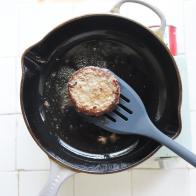
Salisbury Steak With Mushrooms
Salisbury steak persists in our memories as the iconic TV dinner entrée, and it’s hard to imagine a time when it was ever served outside of one of those foil partitioned trays. But the dish dates back much further and is the rare food with an indisputable well-documented origin story. Dr. James Henry Salisbury of Cortland, New York, came up with this “steak” (really ground beef formed into a patty and served with a very savory sauce) as a cure for digestive woes among troops during the American Civil War. Another reason for its popularity in the 20th century prior to TV dinners, though, was its very name, an alternative to the German-sounding “hamburger” during World War I and II.
get the recipe
More photos after this Ad
Porcupine Meatballs
No porcupines are harmed in the making of these meatballs. The name comes from the inclusion of long-grain rice, which tends to poke out of the meatballs much like quills when cooked, and gives them an appealing chew as well. The meatballs are said to date back to the Great Depression, when stretching more expensive ingredients, like meat, was a necessity. They were often simmered in a can of tomato soup, but our version goes with a combination of ketchup and tomato paste, for a nostalgic flavor that tastes a little less “out of a can.”
get the recipe
More photos after this Ad
Photo: Teri Lyn Fisher
4 / 27
Vanilla Wacky Cake
We think that wacky cake—and its alternate names, like “crazy cake” and “Depression cake”—is due for a rebranding. The names make this cake sound gimmicky and zany—no dairy needed! You can mix it in one bowl! Who ever heard of such a thing?! But these are qualities that just make for an awesome recipe for the home baker. Added bonus? These cakes (that also happen to be vegan) gain a superb moistness from using oil instead of butter or buttermilk, and some of them, like this one, even let you mix the batter up right in the baking pan, which, okay, we admit, is a little wacky, but WHAT’S NOT TO LIKE?
get the recipe
More photos after this Ad
Photo: Teri Lyn Fisher
5 / 27
Instant Pot Chicken Marbella
The story of chicken Marbella is the story of The Silver Palate, first the New York City catering company in the 1970s, and then their cookbook of the same name, published in 1979 and an instant runaway hit. By the 1980s, virtually every home cook with a love of entertaining tried their hand at this dish, a Spanish-inspired combination of chicken with prunes, olives, capers and a savory-sweet brown sauce. We like to think that authors Julee Rosso and Sheila Lukins would approve of this even more host-friendly recipe that leaves all the work to a multi-cooker.
get the recipe
More photos after this Ad
Photo: Armando Rafael
6 / 27
Ambrosia Salad
This fanciful interpretation of “salad” began appearing in cookbooks in the 1800s, and is inextricably linked with the American south. Its name is a nod to the fruit of the ancient Greek gods, likely chosen because the ingredients at the time were considered highly exotic: oranges and coconut. Somewhere along the line, even more out-there “fruits” got added, from maraschino cherries to marshmallows. Though this salad hardly knows whether it should be on the savory or dessert buffet, its inclusion remains mandatory for many nostalgic Southerners.
get the recipe
More photos after this Ad
Three Cheese Fondue
Fondue as we know it—a hot pot of melted cheese fortified with wine—originates with the Swiss (it was declared the national dish of Switzerland in 1930)—but it had a moment of being a genuine fad in the 1960s and 70s, when it became expected that anyone who loved entertaining would add a fondue pot and long fondue forks to their artillery. At its most classic, Swiss fondue uses Gruyere and Swiss cheeses, but truly, any cheese deserves a turn at the fondue treatment. This recipe includes Cheddar for the sharp depth that it lends.
More photos after this Ad
Photo: Renee Comet
8 / 27
Chicken à la King
By the time James Beard wrote American Cookery in 1972, chicken à la King had traveled the arc from its invention at the turn of the century, combining chicken, mushrooms and often peppers in a white sauce, to a heyday in the midcentury and a downfall in the seventies, no doubt in part a product of supposed shortcut versions that employed cans of condensed soup. But as Beard notes, it “really is quite good if done with care and fine ingredients.” We tend to agree. Here, in a delicate pepperless version, shallots, shiitakes and fresh herbs demonstrate the dish’s enduring tastiness.
get the recipe
More photos after this Ad
Photo: Jessica Brooks ©
9 / 27
Rumaki Teriyaki
One effect of the craze for Polynesian-inspired restaurants, including Trader Vic’s and Don’s Beachcomber, in the 1960s, was blurring the lines among Asian and Hawaiian dishes, along with those of other Polynesian islands. Depending on who is talking, rumaki could be Chinese, Japanese or even an invention of one of the themed restaurants. In any case, that crunchy water chestnut center and an uber-umami chicken liver wrapped in bacon and broiled makes a hit at parties even today. The livers are typically marinated first; here, a teriyaki marinade adds a nip of sweet and salty.
get the recipe
More photos after this Ad
Photo: Con Poulos
Prop Stylist: Marina Malchin 917 751 2855
10 / 27
Chicken Kiev
Though you can order chicken Kiev on a menu in the city of Kiev, the dish didn’t originate here. Instead, claims Ukraine, this rolled chicken cutlet, filled with seasonings and butter, covered in crumbs and then fried, came back from France with Ukrainian chefs that had trained there under the name of Mikhailovska cutlet. The dish was popularized in the west throughout the 20th century, and once tourists to Ukraine in the 1960s began requesting it, it finally landed on many restaurant menus and became popular also in Kiev.
get the recipe
More photos after this Ad
Baked Alaska
The miracle of a warm, toasted, crisp exterior with warm cake beneath and a heart of cold fruity ice creams inside must have been a particular marvel in the Victorian era when it debuted (although its exact dates and heritage are murky). Though it may have descended from a French dessert called “omelette Norwegge” (named for Norway, a chilly place in the imagination of Frenchmen) that dates back to the 1830s, by 1894, Delmonico’s French pastry chef Charles Ranhofer included a recipe for an “Alaska, Florida” in his cookbook, a reference to the heat and cold featured together, and inspired by America’s annexation of Alaska as its 49th state. Indeed, it’s the insulating qualities of the cake base and meringue topping that allows the ice cream inside, frozen rock-solid, to spend a few minutes in the oven. Assembling one is not hard, but requires planning ahead. So any time you need a showstopper of a dessert, do the math, allot your time, and get ready to wow.
get the recipe
More photos after this Ad
Photo: Ryan Dausch
12 / 27
Tuna Noodle Casserole
Tuna and noodles, baked into a casserole with little more than cheese and a can of condensed soup, dates back to the 1930s, but gained so much popularity in later decades that these days, we tend to associate it with the 1950s. Which means that many of us still have much nostalgia for it, if someone we loved made it for us decades ago. These days, we don’t have to be beholden to the can of soup; some fresh aromatics and veggies and a dab of Dijon mustard bring this casserole to the 21st century. As does a crunchy panko topping—although that classic topping of crushed potato chips will also never go out of style.
get the recipe
More photos after this Ad
Photo: Yunhee Kim
13 / 27
Pineapple Upside-Down Cake
The concept of an upside-down dessert, where a fruity sauce is cooked and then a batter poured on top for baking, then inverting to serve, dates back centuries. But there’s a reason that this cake, topped with pineapple rings and studded with nearly fluorescent maraschino cherries, skyrocketed in the early 20th century, and that is entirely the Dole company (at the time, called the Hawaiian Pineapple Company). In the 1920s, the first canned pineapple rings hit supermarkets, and company founder James Dole held a recipe contest in 1925. The winner? You guessed it.
get the recipe
More photos after this Ad
Photo: Matt Armendariz ©
14 / 27
Beef Stroganoff
Though which member of the Russian Stroganoff family this dish is named for remains unsettled, this dish, which purports to be Russian but is likelier a French stew gussied up with some Russian ingredients, actually was commonly served in Russian restaurants in the early 20th century. Later popularized by the Russian Tea Room in New York City, Stroganoff became a hit with home cooks, too, who loved turning inexpensive cuts of beef into relatively quick-cooking stews that pleased crowds with its rich and tangy sauce, achieved with a combination of sour cream and mustard. In Russia today, you’ll more commonly find Stroganoff served with potatoes, but somewhere along the way Americans decided that it was best served over buttered egg noodles, and we have to agree.
get the recipe
More photos after this Ad
Photo: Teri Lyn Fisher
15 / 27
Waldorf Salad
Unlike that other salad named for a hotel—Watergate—Waldorf salad was actually created by a chef at its namesake hotel in New York City in 1893 and has been served at Waldorf hotel restaurants ever since. It was born during what at the time was a new craze of including sweet items in salads, and the original recipe has just three ingredients: apples, celery and mayonnaise. Later versions added the walnuts, now thought to be a crucial ingredient.
get the recipe
More photos after this Ad
Photo: David Moir
16 / 27
Clams Casino
What’s the difference between clams casino and other stuffed clam recipes, particularly in Italian-American cuisine, where they proliferate? In a word, bacon. Thought to be a product of chef Julius Keller, working at Rhode Island’s Narragansett Pier Casino in the early 1900s, clams casino reign as a classic appetizer all over New England. Another common feature of these stuffed clams makes them particularly luxurious: The clams are left whole, not chopped up with stuffing, so that each bite guarantees that juicy brininess mixed with a smoky, bacony chew.
get the recipe
More photos after this Ad
Photo: Matt Armendariz
17 / 27
The Best Swedish Meatballs
It should be no surprise that the midcentury, which brought us beloved Scandinavian design from titans like Marimekko, Arne Jacobson and Hans Wegner, also brought a craze for all things Scandinavian, including Swedish meatballs. Are they authentically Swedish? Given the Swedish love for both meatballs and white sauce, the answer is absolutely yes, although Sweden itself caused a stir in 2018 by posting on what was then Twitter about the dish’s roots in a Turkish recipe. In any case, the allspice in the white sauce, created with the drippings from sauteing the meatballs (or in this case, fortified with beef broth) is what creates that iconic flavor.
get the recipe
More photos after this Ad
Cream Cheese Ball
James Beard declared the cheese ball—a mixture of blended cheese and seasonings then formed back into a ball or log—“completely American” and encouraged home cooks to prepare them from scratch (“they are rather amusing to make and are delightful to see when made correctly”). The best hosts would decorate the outsides of their cheese balls in chopped nuts or go really wild and shingle whole almonds on the outside to approximate the look of a pineapple or the scales of a fish. When we encounter a cheese ball served with crackers, we have to admit that amusing is exactly the word that comes to mind, although, so does “delicious.” (And if there are any leftovers, you had better believe we will hit them in that snacky hour right before bed.)
get the recipe
More photos after this Ad
Bacon-Wrapped Filet
The 19th century saw the rise of steakhouses in America, celebrating the abundance of cattle, a symbol of luxury among Americans and new immigrants alike. One of the most expensive things diners could order was filet mignon, which often came wrapped in bacon. Some say this is to insulate the outside of the steak from the intense heat of the grill, but truth be told, we think it might have had more to do with how this cut of beef tends to actually be leaner and less flavorful than the cuts with more chew, and a strip of bacon would both baste the meat and lend it some meatiness while cooking. Still, to this day, this simple gilding of the lily makes us smile and certainly feels like a luxurious dinner.
get the recipe
More photos after this Ad
Oysters Rockefeller
Not in dispute is that oysters Rockefeller were created by New Orleans chef Jules Alciatore in 1899 at Antoine’s Restaurant, and that the dish was named for one of the richest men alive at the time, John D. Rockefeller. Up for debate, however, are the crucial ingredients. Many claim that spinach is key, though James Beard’s version, which he swears “comes from a good source,” does not feature spinach, but rather a blend of celery, chervil, parsley, watercress and Pernod. Katie Lee Biegel mentions that the green in the dish is a reference to money, which might explain why even spinachless versions still have an element of green.
get the recipe
More photos after this Ad
Photo: Brian Kennedy ©
21 / 27
Slow Cooker Pot Roast
Though we tend to associate pot roast with traditional American cooking of the midcentury, the idea of taking a tough cut of meat and simmering it for hours until it yields at the very sight of a spoon goes back to the beginning of cooking itself. Some trace the dish’s rise in America in the 19th century to the advent of Dutch ovens for home cooks, and more still with the need of yielding flavor and many servings from cheap cuts of meat during the Great Depression. Unfortunately, the dish sometimes has a dubious reputation today, due to the national prevalence of memories of tough meat or way-too-overcooked vegetables, but in the hands of a careful cook (armed with a good recipe like this one) there are few more satisfying Sunday dinners.
get the recipe
More photos after this Ad
Butterscotch Pudding
Butterscotch started out as a hard candy in England in the early 1800s, but its flavor, that distinctive combination of butter and brown sugar, was quickly adapted for many kinds of sweets, from sauces to pies and puddings. And pudding is such a wonderful way to experience it, as its coolness on the tongue blooms the toffeelike notes as it melts in the mouth. Here, Ree Drummond layers on the flavors with a crown of salted caramel.
get the recipe
More photos after this Ad
Photo: Renee Comet
23 / 27
Chicken Chow Mein
The early 20th century saw the rise of Chinese restaurants in America, and with it, the proliferation of dishes like chop suey, often thought to be a dish entirely manufactured to suit the American palate, but also twists on actual Chinese dishes, like chow mein. Unlike its saucier cousin lo mein, chow mein (which comes from “chau meing,” which translates to “stir-fried noodles”) is often cooked in a drier wok until the noodles start to crisp up. Here, the flavor of aromatics and vegetables really comes through.
get the recipe
More photos after this Ad
Photo: Michael Moriatis
24 / 27
Pigs in a Blanket with Spicy Hot Dip
Truly, these should be called what they are: King of all Hors D’eouvres. Party guests delight when they’re served, no matter how fancy the gathering, and you’ll never see anything disappear as quickly off the buffet table. Though they are often ascribed to a Betty Crocker cookbook from 1957, a recipe for sausages wrapped in pastry dough appears in the first printing of Joy of Cooking from 1936. Anyone who loves having company should always have a box of these piggies in the freezer, but making them from scratch, along with Alex Guarnaschelli’s hot honey mustard dip, is an extra-special option for an out-of-the-ordinary occasion.
get the recipe
More photos after this Ad
Photo: Jonathan Kantor /
25 / 27
Chocolate-Peanut Butter Fudge
In a world of brookies, milkshakes with slices of cake in them and fried ice cream, we seem to have forgotten this humble treat—that is, until we step into any touristy town holding on to its old-school roots. Speaking of old-school, fudge has long been associated with the “seven sisters” women’s colleges of the 1890s, thought to be a rebellious act to prepare it in dorm rooms with little equipment other than hot pots and pans. Though fudge often requires a candy thermometer to get the ingredients to the soft ball stage so that it has that melt-in-the-mouth texture we associate with it, this recipe streamlines the process with sweetened condensed milk and refrigeration, so that it remains an easy, dorm-friendly candy even today.
get the recipe
More photos after this Ad
Photo: Renee Comet ©
26 / 27
Sloppy Joe Sliders
If you’re ever in the Midwest, make a stop at one of the remaining Maid-Rite restaurants, where the “loose meat” sandwich was born—in essence, a sauceless sloppy joe. This is thought to be the predecessor to a somewhat less loose but infinitely more sloppy sandwich that we know and love today. The addition of sauce or ketchup in the 1930s and the name, likely from one of two bars called Sloppy Joe’s (one in Havana, the other in Key West), took this sandwich to heights never achieved by plain loose meat. Here, they are taken to more diminutive proportions to suit smaller eaters—or to make for fun party foods.
get the recipe
More photos after this Ad
Cheese Straws
It remains unsettled where cheese straws come from—unless you ask a Southerner, who may fight you on this one. Also unclear is the One True Recipe. Though many Southern recipes unite grated cheese with a short pastry dough for very crumbly, cheesy crackers, the midcentury saw a proliferation of recipes that used the new freezer-case miracle of ready-made puff pastry. Which ever way you go, this is literally a recipe for the best cocktail hour. Sharp cheese, buttery pastry and some shaken drinks or glasses of bubbly. Cheers!
get the recipe


.jpg.rend.hgtvcom.126.196.suffix/1789013089131.jpeg)