45 Nourishing and Delicious Recipes To Share During Ramadan and Eid al-Fitr
Updated on February 06, 2026
We've got recipes that are perfect for suhoor and iftar, plus some more celebratory bites to enjoy when the fasting is over on Eid.
Photo: Zahra Siadat
1 / 45
Recipes for Breaking the Fast
When you're ready to break the fast during Ramadan, you'll want something nutritious, delicious and satisfying. These recipes — some traditional and some not — check all the boxes and are perfect for sharing with family and friends throughout the month. And when you're ready to celebrate Eid at the end of the month, we've got recipes for that too — check out the dishes that Muslims enjoy all over the world.
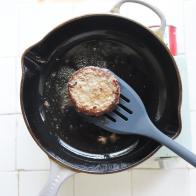
First we've got this Turkish classic of meatballs and potatoes in tomato sauce. It's perfect anytime as a simple dinner or as an addition to an iftar table. There are different ways to make the dish: some people form the meatballs into small football shapes; others prefer patties. Some sear the meatballs before baking; others put them in the oven raw. I prefer forming patties because they look better when arranged with the potatoes and are easier to sear. And I like searing them because it locks in the juices, but you can do whatever you prefer.
get the recipe
More photos after this Ad
Luqaimat
Tender inside while sweet and crunchy outside, luqaimat are a celebratory treat for Eid to mark the end of Ramadan. These Middle Eastern doughnut bites start with a thick yeast-leavened batter that’s fried by the spoonful then tossed in a sweet coating. Several varieties can be found in different parts of the region and beyond, such as lokma in Turkey and Iraq and loukoumades in Greece. Depending on the origin, the dough can be plain or flavored with saffron or cardamom, then soaked in a cinnamon and sugar mix, honey syrup, simple syrup — or as done here, in a luscious date syrup, which adds hints of caramel.
get the recipe
More photos after this Ad
Photo: Zahra Siadat
3 / 45
Fattoush
Fattoush is a Levantine salad made with fried pita and seasonal vegetables, such as lettuce, cucumber and tomato. The special flavor of fattoush comes from the dressing, which contains sumac and pomegranate molasses.
get the recipe
More photos after this Ad
Jallab
Jallab is a classic Middle Eastern drink made with date syrup and rosewater that’s popular in Palestine, Lebanon, Syria and Jordan. Raisins and pine nuts are often added for extra flavor. In some countries it’s common to serve jallab in the evenings during Ramadan to break the fast. Not only is it delicious, the drink helps replenish nutrients lost during fasting.
get the recipe
More photos after this Ad
Ka’ak el Eid
Ka’ak el Eid is a Middle Eastern holiday cookie that’s enjoyed at Eid el Fitr celebrations marking the end of the month of Ramadan. The key ingredient is the iconic ka’ak spice blend of ground anise, fennel, mahlab and nutmeg. There are many variations of the recipe, and this featured version from Lebanon has a crisp texture on the outside with a soft crumbly texture on the inside that’s perfect with a cup of tea or coffee.
get the recipe
More photos after this Ad
Photo: Shadi Hasanzadenemati
6 / 45
Kataifi-Wrapped Feta
A tasty treat for the holidays or any festive gathering, kataifi-wrapped feta is a simple appetizer with a big personality. The strands of shredded phyllo-like pastry known as kataifi are usually reserved for Greek desserts but work beautifully in this savory dish. Folded over feta, the strands become irresistibly crispy when pan-seared while the feta gets creamy and soft as it’s heated. A drizzle of honey and a sprinkling of seeds and Aleppo pepper give it a flavorful finish. It’s a perfect addition to any appetizer board alongside fresh vegetables, stuffed grape leaves and Mediterranean dips, or you can let it have the table all to itself.
get the recipe
More photos after this Ad
Qatayef
Qatayef are classic Middle Eastern sweet dumplings that are a staple for the holy month of Ramadan and on Eid. Families around the world make these sweet treats every year and enjoy them with different fillings. There are two types of qatayef: regular and qatayef asafiri. The regular qatayef are filled with nuts or sweet cheese, then fried and soaked in syrup. Qatayef asafiri are filled with cream, topped with pistachios and drizzled with syrup. This recipe is for regular qatayef, with both a walnut filling and a sweet cheese one.
get the recipe
More photos after this Ad
Photo: Zahra Siadat
8 / 45
Ranginak
This traditional Persian date and walnut dessert is simple yet so filling and delicious. It's perfect for the month of Ramadan because you just need a little bit with your suhoor meal to satisfy your sweet tooth and get the energy you need for the day. Ranginak is traditionally made with rotab (a type of Iranian date) or regular Iranian dates, but Medjool dates also work well.
get the recipe
More photos after this Ad
Photo: Zahra Siadat
9 / 45
Soup-e Shir
This creamy oat and chicken Persian soup owes its texture to oatmeal rather than heavy cream or a slurry. The soup is ready in less than an hour, and most of that time is hands-off. Stirring in freshly squeezed lemon juice at the end add some brightness.
get the recipe
More photos after this Ad
Photo: Zahra Siadat
10 / 45
Ma’amoul
These dried fruit-filled semolina cookies are a staple for both Eid and Easter in the Levantine region. The filling can vary from dates to figs, and nuts like pistachios, walnuts or almonds are also used. The buttery crust contains semolina, which makes it delightfully crumbly in your mouth. Traditional ma’amoul recipes call for resting the semolina and ghee dough for one to two days in the refrigerator before mixing in a small amount of yeast. This recipe skips the chilling and uses baking powder instead, so the cookies are ready to enjoy within about an hour. You can buy special ma'amoul molds to print the patterns on the cookies (mooncake molds also work well). Or you can simply flatten the dough into disks and press in a pattern on top using a fork. It’s easiest to make the filling with store-bought date paste (labeled baking dates at local Middle Eastern and Mediterranean shops and online), but you can make your own with Medjool dates if you prefer.
get the recipe
More photos after this Ad
Photo: Shadi Hasanzadenemati
11 / 45
Persian Lamb Shanks
Lamb shanks, known as mahicheh in Farsi, have a special place in Persian cuisine. They’re usually served for weddings and other special occasions like Ramadan and Nowruz, typically alongside baghali polo, a dill and fava bean rice. The lamb shanks are cooked for a few hours with aromatics, then slowly braised in a tomato sauce to absorb all the flavors and until the meat is so tender that it falls off the bone.
get the recipe
More photos after this Ad
Cold Baklava with Milk
Cold baklava, called sütlü soğuk baklava, has become a popular confection in Turkey in recent years, especially during summertime and Ramadan. While classic baklava is sweetened with simple syrup, this version is soaked in a combination of milk and syrup, then finished with a variety of toppings, such as a dusting of cocoa powder and sugar and a sprinkle of ground pistachios or chocolate shavings. Unlike classic baklava, it’s soft instead of crisp.
get the recipe
More photos after this Ad
Cheese Manakeesh
Cheese manakeesh, or mana’eesh, is a Middle Eastern flatbread topped with shredded Akawi cheese, which is similar to whole-milk mozzarella. This is a Lebanese-style manakeesh that recipe developer Yumna Jawad learned how to make from her mother. It’s easy to prepare from scratch, but you can also use a 1-pound ball of store-bought pizza dough (or your favorite pizza dough recipe).
get the recipe
More photos after this Ad
Photo: Zahra Siadat
14 / 45
Zoolbia and Bamieh
These traditional Iranian sweets go hand in hand. Wherever there is zoolbia, there will be bamieh too. Both are soaked in a delicious saffron and rosewater syrup for a few seconds to absorb the delightful flavors. These sweets are very common in Iran during the month of Ramadan and are usually served for iftar (the evening meal) with some freshly brewed tea.
get the recipe
More photos after this Ad
Photo: Zahra Siadat
15 / 45
Ramazan Pidesi
Turkish pide bread is commonly eaten during the month of Ramadan to break the fast, but I like to make it year round. This is a no-knead bread that’s quite simple to master. The key to a delicious and fluffy pide, or flat bread, is not using too much flour. You need just enough to be able to handle the sticky dough on your work surface
get the recipe
More photos after this Ad
Turkish Delight
Lokum, also known as Turkish delight, is a confection made with starch and syrup that's found in Turkey, the Balkans and parts of the Middle East. There are many varieties of this sweet treat — from plain to rosewater — and they can be studded with everything from hazelnuts to dates. This recipe uses pomegranate juice for the sweet-tart taste and vibrant red color.
get the recipe
More photos after this Ad
Vermicelli Soup
This easy vermicelli soup is perfect for lunch, dinner and especially iftar during the month of Ramadan. It’s made with a handful of ingredients and takes just under an hour. The base can be chicken stock, or keep it vegetarian with vegetable stock.
get the recipe
More photos after this Ad
Photo: Shadi Hasanzadenemati
18 / 45
Cookie Butter Date Bark
This date bark features cookie butter and a sprinkle of crumbled spiced cookies for a new take on @thathealthjunkie’s TikTok-famous treat. The cookie butter flavor is a popular choice in the Middle East, and a thin coat is all that’s needed. Using lightly salty spiced shortbread cookie cookies and dark chocolate with a minimum of 75% cacao balances everything so the date bark is perfectly (and not overly) sweet.
get the recipe
More photos after this Ad
Basbousa
Basbousa (also known as namoura) is a semolina cake from Egypt that is soaked in syrup and usually cut into diamond shapes and topped with almonds. Since it's common to serve syrup-soaked desserts during Ramadan, basbousa can be found in pastry shops and on home tables throughout the month. Like many Middle Eastern desserts, there are a few variations of the dish, including a date-filled version. This is a classic homemade recipe that’s flavored with desiccated coconut.
get the recipe
More photos after this Ad
Photo: Shadi Hasanzadenemati
20 / 45
Date Rolls
Date breads and pastries like these rolls are popular throughout the Middle East and are a perfect treat for the month of Ramadan. The dough and filling for them vary from region to region, as do the shape of the rolls. My version, known as naan-e khormayi (bread with dates) in Persian, uses a fluffy yeast dough filled with a mixture of dates, walnuts, coconut and cinnamon. The dates make the rolls just sweet enough – and delicious with a cup of coffee or tea. The dough uses yogurt, which helps keep it soft and easy to work with, and it’s perfect for twisting into the attractive spiral shape used in this recipe.
get the recipe
More photos after this Ad
Majoon
This classic Persian banana and date shake can be found virtually anywhere in Iran. Every majoon shop has its own twist on how to prepare it, but the naturally sweetened base is usually dates, bananas and milk. Sometimes desiccated coconut, nuts or even a scoop of ice cream are added, and it's usually topped with even more nuts and coconut. Iranians often order it to-go, as it’s a tasty, natural alternative to energy drinks.
get the recipe
More photos after this Ad
Pistachio Baklava
Popular in the Middle East and parts of the Mediterranean, baklava is made with layers of phyllo dough and nuts soaked in syrup. Throughout Turkey, you can find baklava shops, known as baklavaci, offering many varieties, including pistachio, walnut, cream-filled and chocolate. This recipe with pistachios follows the version familiar to many. Whatever nut you use, the secret to a perfectly crisp baklava is room-temperature syrup and hot baklava.
get the recipe
More photos after this Ad
Karniyarik
Karniyarik, meaning "split belly" in Turkish, is a classic stuffed eggplant dish that’s full of flavor. The eggplant is first fried, then stuffed with a delicious meat and vegetable filling and baked in a tomato sauce. This dish is usually served on its own or with some white rice on the side. The classic recipe calls for frying whole eggplants in oil, but I roast them in the oven for a more hands-off version.
get the recipe
More photos after this Ad
Mujadara
Mujadara is a classic Lebanese dish made with lentils, rice and caramelized onion. Aarti's simple recipe is packed with flavor and makes a healthy, complete vegan meal.
get the recipe
More photos after this Ad
Sütlaç
The difference between Turkish rice pudding and other rice puddings is that sutlac is baked in the oven, which gives it a delicious caramelized topping. Milk based desserts are very popular in Turkey and sutlac is a classic. Though it is common to make the sweet at home, it can also be found at almost every Turkish restaurant and muhallebici (milk-based dessert shop). Sutlac is even tastier the next day once it's completely chilled. Some cooks garnish it with hazelnuts, though I prefer pistachios.
get the recipe
More photos after this Ad
Photo: Zahra Siadat
26 / 45
Rose and Cardamom Chia Pudding
This chia pudding is like no other! With the flavors of rosewater and cardamom, this lightly sweetened dessert has floral notes that are subtle and very pleasing. And the fiber in the chia seeds helps fill you up, making it ideal for the suhoor meal during the month of Ramadan.
get the recipe
More photos after this Ad
Persian Haleem with Turkey
Haleem is a traditional Iranian breakfast dish that’s usually served on weekends. It’s often described as a "wheat and meat" porridge, which is fitting because it is mainly made with pelted wheat and turkey or lamb. Here I use coarse bulgur instead of wheat to make the process easier. It still takes time to prepare, but nothing like the classic way, whereby restaurants or home cooks would cook it overnight while stirring constantly. Because of its neutral flavor profile, haleem can be served sweet with sugar and cinnamon or savory with salt. I like mine pretty sweet, so that's the way the recipe is written. For a savory version, omit the sugar and ground cinnamon but keep the cinnamon stick to flavor the meat. Either way, this is a hearty dish that can keep you full for hours.
get the recipe
More photos after this Ad
Photo: Jason DeCrow
28 / 45
Date Bread
This simple quick bread includes tons of juicy Medjool dates, making it an option for breaking the daily sunrise-to-sunset fast during the holy month of Ramadan, a tradition that Muslims observe in Tanzania and across the world. The tradition is rooted in the teachings of the prophet Muhammad, who is said to have called for observers to break their fasts with dates. Many Muslims include dates on their iftar tables (iftar is the evening meal eaten at sunset during Ramadan).
get the recipe
More photos after this Ad
Photo: Zahra Siadat
29 / 45
Sabzi Khordan
For Iranians, this herb platter is a delicious, refreshing companion to any meal, served as an appetizer or with the main course. The herbs can vary, depending on one’s preferences and availability, but in Iran, the most common choices are mint, basil and Persian cress. This herb platter is also a common component of Armenian, Azerbaijani and Kurdish cuisines.
get the recipe
More photos after this Ad
Sheer Khurma
Perfect for a celebration, this creamy dessert full of nuts, dates, raisins and toasted vermicelli is popular in Pakistan, Afghanistan and India, where it's usually made for Eid al-Fitr and Eid al-Adha. It’s best to use whole milk for this recipe to give it a rich and creamy texture.
get the recipe
More photos after this Ad
Ghorayeba
Ghorayeba (also known as ghraybeh) is a classic Middle Eastern sweet that’s popular for Eid. It’s made with only three ingredients and is commonly topped with slivered pistachios. Many recipes call for ghee or clarified butter. Both will work here, though we enjoy the texture and flavor of unsalted butter here. If you like shortbread, you’re going to love this classic cookie.
get the recipe
More photos after this Ad
Basil Seed Drink
Basil seed, known as tokhme reyhan, is a common drink ingredient in Iran. While similar in shape, color and water absorption to chia seeds, the two seeds have distinct flavor profiles that should not be confused. This recipe is a classic version of an Iranian basil seed drink made with saffron syrup and rosewater. Since basil seeds are packed with minerals and fiber, they are popular during the month of Ramadan.
get the recipe
More photos after this Ad
Photo: Teri Lyn Fisher
33 / 45
Almond Coconut and Date Bites
These bites are perfect for breaking your fast. They're packed with fiber and heart-healthy fats, but they're also sweet, crunchy and delicious.
get the recipe
More photos after this Ad
Shole Zard
Shole zard, also known as Persian saffron rice pudding, is unlike any other rice pudding you’ve tasted. The main flavor of the dish comes from saffron, which is complemented by subtle notes of rosewater and cardamom. Shole refers to the pudding-like texture and zard means yellow in Farsi. The dessert is served on many occasions, including the month of Ramadan for iftar, the evening meal that breaks the daily fast.
get the recipe
More photos after this Ad
Triple-Herb Freekeh
This side dish of toasted and cracked wheat is similar to bulgur. It has a slightly smoky and nutty flavor and a pleasant chew.
get the recipe
More photos after this Ad
Nargesi
Nargesi is a classic Persian recipe that’s made with spinach and eggs and seasoned mainly with turmeric and garlic. The eggs can be scrambled into the spinach or, as here, poached on top like when making shakshuka. (I prefer poaching the eggs on top.) Serve this dish for breakfast or a light dinner, with some warm bread for a complete meal.
get the recipe
More photos after this Ad
Photo: Zahra Siadat
37 / 45
Ash Reshteh
In addition to spinach, cilantro and parsley, the thick soup is packed with chickpeas, pinto beans and lentils. (It’s common to cook the legumes in advance.) Kashk — a cooked fermented yogurt — is the standard topping.
get the recipe
More photos after this Ad
Photo: Teri Lyn Fisher
38 / 45
Date Shakes
Made with only four ingredients, this date shake is perfect for iftar. Nourishing dates are a very common way to break the fast during the month of Ramadan and are eaten in many different ways.
get the recipe
More photos after this Ad
Date Cookies
These date cookies with a base of oatmeal are perfectly sweet and delicious. The addition of walnuts gives them a nice crunch and the hint of cinnamon complements the flavor of the dates. You can make the dough ahead of time and bake the cookies later if you prefer. This recipe produces cookies that are crispy on the edges and soft and chewy on the inside — a winning combination.
get the recipe
More photos after this Ad
Photo: Ryan Liebe ©
40 / 45
Baklava with Rose Water
This classic Middle Eastern dessert, which is fun to serve on Eid, has layers of phyllo dough and nuts such as walnuts and pistachios. It’s perfectly sweet thanks to the simple syrup drizzled on the pastry right out of the oven.
get the recipe
More photos after this Ad
Honey Fruit Salad
This beautiful and simple fruit salad is flavored with a tasty honey orange sauce. It’s the perfect addition to the iftar table, and you can make it ahead of time.
get the recipe
More photos after this Ad
Photo: Shadi Hasanzadenemati
42 / 45
Mantı
These delicious bite-size Turkish dumplings are stuffed with ground beef that’s lightly spiced with Aleppo pepper (pul biber), and served with tomato sauce and garlicky yogurt. Versions of meat-filled mantı are also popular in Armenia, Central Asia and the Balkans. You’ll find variations as you travel from country to country, especially with respect to the size of the dumplings: They can be large and ravioli-like or tiny. Even within Turkey you may encounter different versions, from how they’re shaped to how they’re cooked to what sauce they’re served with. Ground lamb is also a common stuffing, and you can substitute that for the beef if you like. Note that the amounts given here for the sauce and toppings are for cooking one batch of mantı only; you’ll need to prepare these elements of the recipe again when you cook the second batch.
get the recipe
More photos after this Ad
Qeysava
Sometimes spelled gheysavah or ghisava, this sweet and savory breakfast of eggs cooked with dates, walnuts and a hint of cinnamon comes from the Azerbaijan province in northwestern Iran. Similar date-and-egg dishes are popular in other neighboring countries, all hailed as a filling, energizing start to the day. This version can be made interchangably with dates or dried apricots for a similar sweet contrast to the eggs. Serve it simply as is, or add a side of a warm flatbread such as barbari or lavash.
get the recipe
More photos after this Ad
Photo: Shadi Hasanzadenemati
44 / 45
Layali Lubnan
Layali lubnan means "Lebanese nights" in Arabic and it’s a classic Lebanese dessert that’s popular during festive occasions, including Ramadan. It features a layer of silky semolina pudding topped with ashta, a thickened cream similar to clotted cream, and sprinkled with pistachios and sometimes dried rose petals. Sweetened with a fragrant sugar syrup infused with orange blossom or rose water, this creamy dessert is enjoyed in Lebanon and other countries across the Middle East.
get the recipe
More photos after this Ad
Photo: Shadi Hasanzadenemati
45 / 45
Koshari
Koshari is Egypt’s national dish, a hearty vegetarian combination of flavors and textures that’s both a favorite street food and widely enjoyed comfort meal. Sometimes spelled kushari or koshary, it includes rice, lentils and macaroni or other pasta topped with chickpeas and crispy fried onions. This version includes both a spiced tomato sauce and garlicky vinegar sauce that are typical of how the dish is served. Koshari has a number of components but doesn’t take long to prepare at home — most of the parts can be assembled in the time it takes the lentils and rice to cook. You can also make the sauces, pasta and chickpeas a day in advance, then reheat and put the dish together just before serving.
get the recipe


.jpg.rend.hgtvcom.126.196.suffix/1789013089131.jpeg)