

.jpg.rend.hgtvcom.126.196.suffix/1789013089131.jpeg)














Can Cooking Kill E. Coli in Your Food?
Here’s what you should do if you have a recalled food, like carrots or ground beef, in your kitchen.


Naked King/Getty Images
A recent series of foodborne illness outbreaks in a wide variety of foods has left consumers with many questions about food safety and what steps to take to keep themselves safe. The recent E. Coli outbreaks in fresh carrots and ground beef has many asking whether cooking contaminated foods can help mitigate the risks. Here’s what you should do with recalled foods, and what you can do to maintain basic food safety in your own kitchen.
How Are Outbreaks Detected and Tracked?
There are several steps involved in identifying and tracking a food safety outbreak explains Toby Amidor, MS, RD, CDN, award-winning nutrition expert and Wall Street Journal best-selling author of Health Shots. “When a food is suspected to be tainted, it is analyzed by using DNA fingerprinting of the microorganism (like E. Coli) on a state, local or federal laboratory. Public health microbiologists enter this information into a database and submit the data to the Centers for Disease Control and Prevention (CDC),” says Amidor. Once the type of bacteria is identified, the public is alerted and recalls are issued. The tracking continues from there and consumers can reference FDA websites for more details.
What Are Signs and Symptoms of E. coli Infection?
Both E. coli O121:H19 and E. coli O157:H are specific strains of bacteria that can contaminate food and sicken those who eat it. Common symptoms include gastrointestinal issues including severe stomach cramping, diarrhea, nausea and vomiting. Fever from the bacterial infection is also common and can potentially lead to severe health issues such as hemolytic uremic syndrome, or the development of high blood pressure, chronic kidney disease and neurological problems. It can take up to 10 days after eating the contaminated food to become ill so it can sometimes be difficult to identify the source.
What Should You Do with E. coli-Contaminated Food?
If you identify that you have contaminated and recalled food in your kitchen, throw it away immediately and sanitize any surfaces it may have touched. Since some produce, like carrots, are often consumed raw, the risk is higher than with foods like raw meat, which are typically cooked.
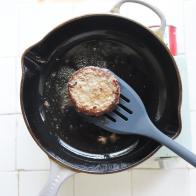
The internal temperature required to kill E. coli bacteria is 160-degrees Fahrenheit, but ground beef is not always prepared at such high temperatures.
Consumers are urged to throw away any and all contaminated food products instead of attempting to destroy them via cooking as the bacterial load within the foods can be too high that cooking will not make them safe to eat.
Once a recall is issued, don’t eat said food – toss or return to the store for a refund. Be careful not to cross contaminate your kitchen or other items in that process. If you’re concerned about illness, see a medical professional.

Kseniya Ovchinnikova/Getty Images
Food Safety Best Practices
In general, there are some simple, yet important steps you can take to help keep non-recalled produce safe. Wash all your produce gently under cold running water and scrub the outer exterior of all produce, including melon or pineapple even if you will not eat the peel. Cut away damaged or bruised areas and clean with a dry paper towel.
Resist the temptation to use soaps and other detergents. “According to the Food and Drug Administration (FDA), washing fruits and vegetables with soap, detergent or commercial produce wash is not recommended,” says Amidor. “Soap or detergent residues can stay on produce. The FDA has not evaluated the safety of residues left from soaps and detergents if ingested.”
Raw meat products should always be handled carefully to prevent cross contamination onto surfaces and ready to eat foods. Use a meat thermometer to ensure all meats and poultry are cooked to the proper internal temperatures.
Bottom Line: It’s not worth the risk to cook away E. coli or any other identified foodborne pathogen. Heed the warning to toss recalled foods, wash all your produce before consuming and properly handle all raw meats.
Related Content:


