Photo: Matt Armendariz
1 / 37
Our Favorite Filipino Dishes
Filipino cuisine is one of the most fascinating fusion cuisines of the world. Because of its strategic position between China, Southeast Asia and the South Pacific, many people have left their mark on the country and its cuisine. Many nations have also tried to conquer it, and several were even successful, like Spain and the United States. As such, Filipino cuisine has influences from around the world. You can find many hearty Spanish-influenced dishes, 1950s-style American dishes, Chinese-inspired dishes, and many more dishes that reflect native flavors and techniques. The following list includes some of our favorites, from American-inspired spaghetti to all the recipes you need to host a kamayan feast.
Wondering where to start? Chicken adobo is essential. It is unofficially the national dish of the Philippines and beloved around the world. This version is made with skinless chicken thighs, a popular protein, although other chicken cuts as well as pork, beef, seafood and even vegetables can star. Adobo is famous for its bold combination of salt and acid, and many versions (like this one) also add a sweet component along with classic aromatics like garlic, peppercorns and bay leaves. A big part of the dish’s popularity is its simplicity and how easy it is to customize to individual tastes, although one thing that’s almost universal is serving it with steamed rice to soak up the dish’s irresistible sauce.
get the recipe
More photos after this Ad
Photo: Matt Armendariz
2 / 37
Halo-Halo Especial
Halo-halo is a popular Filipino shaved ice dessert that translates to “mix-mix" in English since it’s typically eaten by mixing the elements as you eat to combine the flavors and textures. This special (especial) version of halo-halo includes homemade elements such as condensed ice milk, ube ice cream and coconut plantain jam, as well as store-bought elements like jackfruit strips in syrup, red mung beans, macapuno (coconut sport) and leche flan. Combine or exclude any ingredients according to your taste. The condensed milk ice and ube ice cream will take several hours to chill so be sure to leave enough time for them to freeze properly.
get the recipe
More photos after this Ad
Photo: Teri Lyn Fisher
3 / 37
Turon
These crispy treats are like dessert spring rolls filled with ripe plantain and sweet jackfruit. If you can’t get a hold of plantains, bananas will also work but the filling will get a little mushy. While not traditional, these are really great topped with some ice cream.
get the recipe
More photos after this Ad
Photo: Matt Armendariz
4 / 37
Ensaladang Pipino at Kamatis
This simple side salad is a favorite to serve alongside some of the Philippine’s most popular grilled and fried foods. Crunchy cucumbers, sweet tomatoes and a tangy spiced dressing are a perfect cool, crisp complement to richer Filipino dishes like Lechon Kawali (crispy pork belly), Pork Tocino (sweet cured pork) and anything barbecued. Persian cucumbers and cherry tomatoes are used in this version, but feel free to use the varieties you have on hand or what looks best at the market.
get the recipe
More photos after this Ad
Photo: Matt Armendariz
5 / 37
Filipino Pork Barbecue
Marinated pork is skewered on bamboo and grilled for this sweet, salty and sticky Filipino dish that’s a national favorite. The skewers are popular street food and also a go-to snack for parties and celebrations like kamayan, but are easy enough to put together for an at-home meal. Marinating the pork for several days allows it to absorb lots of flavor, but overnight is fine as well. The marinade contains lemon-lime soda, an ingredient popular in this type of barbecue and one that many Filipino cooks credit with making the pork extra tender and tasty. This version lacquers the meat with a glaze that takes advantage of banana ketchup, a popular Philippine condiment that looks like tomato ketchup but tastes a bit sweeter and adds a few spice notes. The skewers are often served with Sawsawan, a spiced vinegar dipping sauce, and the pickled condiment Achara or the tangy cucumber and tomato salad Ensaladang Pipino at Kamatis are also welcome additions.
get the recipe
More photos after this Ad
Photo: Matt Armendariz ©
6 / 37
Banana Ketchup
Banana Ketchup is a uniquely Filipino condiment that most people buy bottled from a store. It’s a necessity for making Filipino spaghetti. This recipe recreates the flavors of banana ketchup but skips the red food coloring and is chunkier than the bottled version.
get the recipe
More photos after this Ad
Photo: Matt Armendariz
7 / 37
Java Rice
Sometimes called yellow fried rice, Java rice is a beloved Filipino dish that’s famous for its vibrant orangey-yellow hue, a color that comes from annatto and turmeric powder in this version. Although the name “Java” hints at the influence Indonesian cooks have had on the Philippines, this style of yellow rice is proudly and originally Filipino. Onion, a generous amount of garlic and soy sauce add flavor and aroma, and in this version the rice is fried in butter for even more flavor, although some cooks opt for margarine or just oil. Like Chinese fried rice, the dish benefits from being made with day-old rice since the grains will stand up better to stir-frying, remaining distinct and crisping slightly for the dish’s signature texture.
get the recipe
More photos after this Ad
Creamy Chicken Sopas
This is a hearty chicken noodle soup made with elbow macaroni that is very popular home-cooked dish in the Philippines. It’s mild, creamy and great on a rainy day. It’s also very popular with kids.
get the recipe
More photos after this Ad
Photo: Teri Lyn Fisher
9 / 37
Leche Flan
Filipino flan doesn’t stray too far from the Spanish original that inspired it. However, this recipe does have a few unique elements that set it apart from Latin American flans. For starters, it calls for egg yolks instead of whole eggs, which makes for a less jiggly but much richer flan. It also includes some lemon zest, which brightens things up.
get the recipe
More photos after this Ad
Photo: Matt Armendariz
10 / 37
Lechon Kawali
Lechon kawali is a Filipino favorite of crispy fried pork belly that’s famous for its combination of crackling skin and irresistibly juicy meat. Lechon means pork, and kawali is the name of the wok-like Filipino pan it’s traditionally fried in. The dish’s unique texture comes from first boiling the belly to render the fat and tenderize the meat, then allowing it to air-dry to remove excess moisture. Finally, the pork is fried until golden on the outside, melt-in-your-mouth tender inside and crowned with crunchy, crackling skin. It’s usually cut into one- or two-bite pieces and served with a tasty sauce like Sarsa (Lechon Sauce) or a vinegar-based Sawsawan (dipping sauce) to enhance the flavor and cut the richness of the meat.
get the recipe
More photos after this Ad
Photo: Teri Lyn Fisher
11 / 37
Bibingka
This classic Filipino rice cake baked in banana leaves is often served during holidays and family gatherings. For the simplified version here, the yeasted batter combines Thai rice flour with sweet rice flour for a bibingka with a lovely, delicate and moist crumb. The key to achieving that crumb is to let the batter proof, allowing it to become bubbly and lighten up. This recipe yields six bibingka baked in a jumbo muffin pan but they can also be baked in traditional mamon molds. They’re topped with melted Edam cheese and a sprinkle of coconut sugar then broiled until crisp.
get the recipe
More photos after this Ad
Photo: Teri Lyn Fisher
12 / 37
Pork Belly Sisig
Traditionally, this sizzling plate is made with pork face and ears to which some organ meats are sometimes added. It’s a bit of an involved process that requires braising, chopping, and then pan-frying the meat until it’s crispy and then balancing the richness with calamansi juice, a type of tart, aromatic native citrus. This version calls for pork belly, which is easier to source from US grocery stores.
get the recipe
More photos after this Ad
Photo: Matt Armendariz
13 / 37
Achara
Achara (or atchara) is a refreshing pickled green papaya relish that’s a Filipino favorite and is served with just about anything. Grilled and fried dishes especially benefit from its tangy kick. It’s made from crunchy grated green papaya mixed with red bell peppers, chiles and sometimes carrots or other vegetables, then packed in a sweet and sour mixture of vinegar, sugar and salt. Try it with popular grilled and fried foods like Pork Tocino or Filipino Pork Barbecue.
get the recipe
More photos after this Ad
Shiitake Mushroom Adobo
This is a more modern interpretation of a classic Filipino adobo made vegan, but it still packs all the same flavors as nanay’s (mom’s) traditional adobo. What’s really great about this meal is that it calls for dried shiitake mushrooms, which keep almost indefinitely in your pantry, so you can whip this up almost anytime.
get the recipe
More photos after this Ad
Photo: Matt Armendariz
15 / 37
Inihaw Na Hipon
Garlicky grilled shrimp are popular in the Philippines. This version marinates the shrimp in a mixture of annatto oil for a brilliant red color and calamansi juice for tang. The shrimp are grilled and tossed with chili sauce for a final sweet and spicy flavor. Use head-on shrimp if you can find them — they stay particularly moist and flavorful during grilling — although headless will be delicious as well.
get the recipe
More photos after this Ad
Arroz Valenciana
This is a Filipino adaptation of paella, a holdover from when the Philippines was a colony of Spain. It’s a favorite during Christmas, and each family has its own version. This version gets a combination of coconut milk, chinese sausage, and chicken in addition to the rice.
get the recipe
More photos after this Ad
Photo: Matt Armendariz
17 / 37
Ube Ice Cream
Ube (purple potato) is a popular ice cream flavor in the Philippines and beyond, known for its vibrant purple color and nutty, earthy flavor. This indulgent version is enhanced by the complementary flavors of vanilla and malted milk and gets richness from lots of egg yolks. It’s a great addition to the Filipino dessert halo-halo and delicious served on its own.
get the recipe
More photos after this Ad
Grilled Longaniza
Longaniza is a sausage that originated in Spain and variations of it can be found throughout Latin America and the Philippines. It’s a food that most people buy ready-made from a butcher. But in case you can’t find it near you or are looking for an ambitious kitchen project, this recipe teaches you how to make it from scratch.
get the recipe
More photos after this Ad
Photo: Matt Armendariz
19 / 37
Daing-Style Branzino
This flavorful fish is marinated in vinegar, chiles and lots of garlic. It’s a version of the Philippine's classic daing, a butterflied fish that’s soaked in vinegar, salted and dried in the sun for preservation, then fried just before serving. Home cooks have adapted the dish by simply marinating the fish in the refrigerator, no sun-drying required, then pan-frying it for an easy and very tasty meal. In the Philippines this style of daing typically uses bangus (milkfish), a local species, but branzino is an excellent substitute. You can serve the fish with vinegar-based Sawsawan, a popular Filipino dipping sauce for fried foods.
get the recipe
More photos after this Ad
Photo: Matt Armendariz ©
20 / 37
Pork Belly Adobo
Adobo comes from the Spanish technique in which meat is simmered in a vinegary broth. Versions exist around the world, but the Filipino version is perhaps the most famous with its garlic, peppercorns and soy sauce. It can be made with almost any kind of meat, but pork belly is a favorite.
get the recipe
More photos after this Ad
Photo: Matt Armendariz
21 / 37
Pancit Bihon
This popular Filipino noodle dish is packed with flavor and color from a variety of vegetables and proteins and tied together with a sweet and savory sauce and a touch of citrus. “Pancit” means noodle in Tagalog, and “bihon” (rice stick) are a favorite one to use in this stir-fry. Ingredients vary from recipe to recipe and cook to cook, but this version uses Chinese sausage and shrimp, both favorites for the dish, plus cabbage, carrots, snow peas and other vegetables, making it a one-pot meal. Pancit bihon is commonly served on special occasions, especially birthdays as the long noodles symbolize long life, but it’s also speedy enough to serve as a comfort classic any night of the week.
get the recipe
More photos after this Ad
Photo: Teri Lyn Fisher
22 / 37
Mango Float
This is a favorite Filipino dessert inspired by American icebox cakes but made with tropical mangos, which are abundant in the Philippines. It’s a simple dessert that takes no time to prepare and requires no baking. Save this for when the best mangos are in season, or use imported Indian or Southeast Asian mangos for the best flavor.
get the recipe
More photos after this Ad
Photo: Matt Armendariz
23 / 37
Pork Tocino
Tocino is a favorite Filippino pork dish made with thinly sliced pork marinated in a sweet and salty mixture until tender, then braised and fried to sticky, caramelized deliciousness. “Tocino” means bacon in Spanish, and the dish is sometimes called an all-day breakfast and often accompanied by an egg and garlicky rice in the Philippines. Pork belly is sometimes the cut used for tocino, although pork butt or shoulder is also common and is what we’ve used in this recipe; the results will be a little leaner but still lush and delicious. An attractive red color is part of the dish’s appeal, here imparted to the meat with annatto powder, a popular Filippino ingredient.
get the recipe
More photos after this Ad
Photo: Matt Armendariz
24 / 37
Sarsa
Sarsa is a favorite Filipino condiment is a medley of tangy, sweet and savory flavors that goes famously with pork dishes like lechon (roast pig) and Lechon Kawali (fried pork belly) but also enhances a variety of roasted or fried foods. The sauce’s tang comes from vinegar, the sweet from brown sugar and the all-important savory notes from garlic and liver, typically pork liver paste or canned liverwurst. Many versions of sarsa use breadcrumbs for thickening, but here the ingredients are cooked down and then blended for smoothness, no binder needed.
get the recipe
More photos after this Ad
Photo: Photograph by Jonathan Melendez
25 / 37
Mama Lorna’s Filipino Spaghetti
Filipino-style spaghetti is a dish that came about during the US occupation, when foods like pasta, ketchup, hotdogs and processed cheese were introduced to the Philippines. All of those ingredients end up in Filipino spaghetti, which is mild and very sweet. This recipe is an elevated version of that that calls for Chinese sausage and sharp cheddar cheese. The banana ketchup, however, is never optional.
get the recipe
More photos after this Ad
Filipino Yellow Rice with Shrimp and Chorizo
This is like a Filipino version of arroz con pollo but made with shrimp and Spanish chorizo, which has an intense smokey flavor. The flavors are very Spanish and include white wine, saffron and capers.
get the recipe
More photos after this Ad
Photo: Citizen Pictures
27 / 37
Crispy Pata
Filipinos are known for doing amazingly delicious things with every part of the pig, and the feet are no exception. Pata is another loan word from Spanish that means foot. This dish consists of a slowly braised pig’s foot that’s then fried until crispy and served with flavorful condiments.
get the recipe
More photos after this Ad
Photo: Heather Ramsdell
28 / 37
Instant Pot Chicken Adobo
Chicken adobo is probably one of the most popular types of Filipino adobo, and the Instant Pot makes quick work of this dish that typically can require hours of slow simmering. With this recipe, you can have chicken adobo on the table in a fraction of the time.
get the recipe
More photos after this Ad
Photo: Matt Armendariz
29 / 37
Sawsawan
Sawsawan means dipping sauce in Tagalog, and there’s almost always one of these tangy, zesty condiments on the Filipino table. The sauces are typically vinegar-based and usually use cane vinegar, the most common vinegar in the Philippines. A sawsawan is famously personalized by its maker, and they’re often thrown together just before serving and sometimes tailored to a specific dish. This versatile version of sawsawan takes just a few minutes to prepare and contains some of the essential seasonings of Filipino cuisine: soy sauce, vinegar, chiles, garlic and a bit of sugar for sweetness and balance. Its tang and punch enhance the flavors of fried or grilled foods like Daing-Style Fish and Filipino Pork Barbecue, but it’s also put on rice and just anything that could benefit from a hit of bright flavor.
get the recipe
More photos after this Ad
Photo: RYAN DAUSCH
30 / 37
Filipino-Style Pork Chops
This recipe is inspired by Filipino-style barbecue. It has big flavor from fish sauce, soy sauce, garlic and vinegar. If you want a more authentic taste, sub the apple cider vinegar for a Filipino vinegar like cane vinegar or coconut vinegar.
get the recipe
More photos after this Ad
Lumpia
These are the Filipino versions of spring rolls and are similar to the spring rolls you’ll find in other Southeast Asian countries. However, the Filipino version is packed with a lot more meat.
get the recipe
More photos after this Ad
Photo: Ryan Dausch
32 / 37
Spicy Green Mango Salad
This salad is an intense flavor bomb. First you have the sour, almost piney green, unripe mangos. To that, you add some funky Filipino shrimp paste, thai chile and green apple. It’s a great accompaniment to rich, fatty meats like pork. But it can also live alongside BBQ ribs and even top a burger.
get the recipe
More photos after this Ad
Lechon Special
Lechon is a loan word from Spanish that means suckling pig. However, it often is used to describe any type of pork in the Philippines, including this recipe for crispy fried pork belly that gets chopped up and tossed with veggies and simple dressing.
get the recipe
More photos after this Ad
Photo: Ryan Dausch
34 / 37
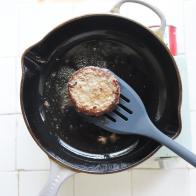
Filipino Sausage Sliders
These aren’t a traditional Filipino preparation, but they do reflect the cross-cultural innovation that characterizes Filipino cooking. This recipe teaches you how to make your own Filipino-style sausage patties that make perfect sliders. You can also save some to have with eggs or on a breakfast sandwich.
get the recipe
More photos after this Ad
Snapper Escabeche
This is another dish of Spanish origin, and you can find versions of it throughout Latin America and Spain. It consists of fish (or any meat, really) marinated in a seasoned vinegar. It’s said to have originated with Jewish Spaniards as a sabbath dish that could be made Friday and eaten on Saturday without going bad. This version has a sweeter flavor from pineapple juice, sugar and ketchup.
get the recipe
More photos after this Ad
Photo: Matt Armendariz
36 / 37
Beef Short Rib Sinigang
This comforting Filipino soup is built around beef short ribs simmered until tender in a bright tamarind broth. The ribs give the broth a wonderful richness, tamarind adds sinigang’s signature sour flavor and a variety of vegetables bring color and freshness. The beauty and popularity of sinigang lies in its ease and versatility. It’s a satisfying one-pot meal that lends itself to swapping in different proteins like pork, shrimp or fish with equally delicious results if you adjust the stewing time. The vegetables are flexible too. This recipe uses daikon, long beans and Asian greens like bok choy or morning glory, but they’re often switched up by cooks depending on preference and what’s available at the market. It’s a perfect hearty meal for a crowd and makes excellent leftovers — the flavors deepen when served the next day.
get the recipe
More photos after this Ad
Photo: Teri Lyn Fisher
37 / 37
Pancit Palabok
This beloved Filipino dish features noodles bathed in a rich pork and shrimp sauce and finished with a variety of colorful toppings. While sticking closely to most traditions of the dish, our version has a few tweaks. Instead of the usual rice vermicelli noodles, mung bean threads bring a delicate springiness that the sauce without turning soggy for satisfying chew and lightness in every bite. The rich annatto-hued gravy built from shrimp shells, pork and aromatics blends beautifully with the noodles for savory depth. For toppings, the classic hard-boiled eggs and crispy pork rinds are joined by smoked trout or bonito flakes, a replacement for the more traditional tinapa flakes that can be difficult to find outside the Philippines. The result is a vibrant dish that’s both nostalgic and practical — ideal for everyday cooking, festive gatherings or introducing Filipino comfort food to a new audience.
get the recipe


.jpg.rend.hgtvcom.126.196.suffix/1789013089131.jpeg)