














All Healthy Eating Articles
Showing 586 - 600 of 996 results

Eating With Your Gut in Mind May Also Be Good for Your Brain
A growing body of research shows that eating to support your microbiome can also influence your brain and mental health.

Why You Might Want To Throw Away Your Black Kitchen Utensils and Takeout Containers
Many black plastic kitchen items are made from recycled electronic materials that contain toxic flame retardants and other chemicals.
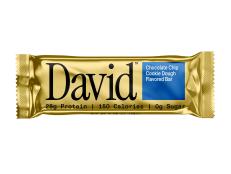
David Protein Bars Are the Epitome of the “Biohacking” Trend
As a dietitian, I probably wouldn’t recommend stocking these $3 bars in your pantry, no matter how “groundbreaking” they claim to be.
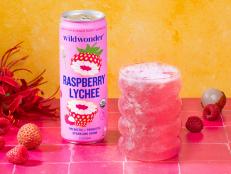
16 New Products That Are Better for You – And Dietitian-Approved
From easier ways to eat fish to more protein-packed options, there are a host of foods worth trying out.

Why Kids and Teens Shouldn’t Have Energy Drinks
While the drinks are widely available, and some even celebrity-endorsed, they pose dangers that kids and parents alike may not be aware of.
New Data Suggests Intermittent Fasting May Affect Heart Health
Is this the beginning of the end for this trendy diet?
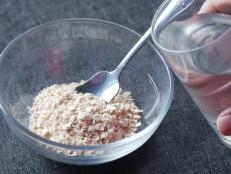
Is There Anything to ‘Oatzempic?’
Sure, oats are good for you — but is there any real science behind this TikTok trend?

Is the ‘Girl Dinner’ Trend Healthy or Harmful?
Here’s what a registered dietitian, who specializes in disordered eating, had to say.

Do Not Drink Borax
Despite what the latest unqualified TikTok health claim may suggest, drinking this household cleaner is downright dangerous.

Should You Be Jumping on TikTok’s Flavored Water Trend?
While WaterTok aims to encourage drinking more water, it may do more harm than good.

The FDA Just Approved a Major Health Claim for Yogurt
It often takes years, and evaluation of several scientific studies, to get claims officially approved. Now, yogurt makers can say that the food may lower the risk of type 2 diabetes.

No, California Is Not Banning Skittles
But some other foods may need to switch up their formulas.

What Are Sweet Proteins? And Are They a Good Substitute for Sugar?
I tried Oobli, the first company in the U.S. to use sweet proteins in its products.
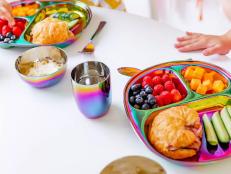
This Pediatrician-Designed Tableware Makes It Simple to Teach Kids How to Eat Healthy
Ahimsa Home is a line of stainless-steel dishes that double as educational tools.

Is TikTok’s Viral Cottage Cheese ‘Ice Cream’ As Healthy as It Seems?
A dietician weighs in.


