













How To Baste a Turkey (and When It’s Worth It)
We're sharing all the juicy details, including how often you need to baste a your bird throughout the cooking process.


Tetra Images/Getty Images
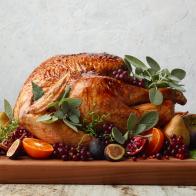
Basting is a time-honored Thanksgiving tradition that can add flavor to the skin and help distribute fat over the surface. If you’re learning how to roast a turkey, think of basting as an extra step rather than a requirement for success. Proper brining and checking the turkey’s internal temperature do more to keep the meat juicy.
Do You Need To Baste a Turkey?
There are a lot of misconceptions surrounding basting, and while it may not be strictly required, it can help even the cooking speed during roasting. Basting can also add flavor to the surface, and the fat in pan drippings aid in skin browning. Water-based juices cool the surface as they evaporate, which may slow cooking around the breast, but basting won’t reliably prevent the breast from overcooking before the thighs. The trade-off is extra moisture on the skin and heat lost each time the oven opens. Watery drippings can delay crisping, and frequent basting can extend roasting time.
For juicier turkey, focus on brining and avoiding overcooking. Butter under the skin adds flavor and richness, but doesn’t replace either. Learn what temperature to cook turkey and use a thermometer. Turkey should reach 165°F in the thickest part of the breast and the innermost thigh and wing, without touching bone.
How To Baste a Turkey in 4 Steps
- Set the pan somewhere secure. After about an hour of roasting, put on oven mitts and move the roasting pan to a stable, heatproof surface. Close the oven door. If the pan is manageable, tilt the pan slightly so juices collect in one corner. For a heavy pan, pull the oven rack partway out instead, keeping the pan fully supported and working quickly. If the pan is dry, add about a cup of stock to the bottom, avoiding the skin.
- Baste the breast, then the drumsticks. Use a baster, large spoon or ladle to distribute pan drippings over the breast skin, then the drumsticks.
- Place the roasting pan back into the oven. Again, open the oven door quickly to prevent heat from escaping.
- Return the turkey to the oven. Wearing oven mitts, replace the pan and close the door promptly. Continue roasting. Finish with butter, if desired. During the estimated last hour, use melted butter, herb butter, or olive oil for a final light coating. Leave the skin undisturbed afterward so the surface can dry and crisp.

Steve Cukrov
How Often To Baste a Turkey (and When To Start)
Baste a turkey every 45 minutes, starting after the first hour of roasting. Treat that timing as a general guideline; a recipe with a glaze or cheesecloth may call for a different schedule. Many recipes suggest basting every 30 minutes, but a 45-minute interval means fewer oven openings and less disruption to roasting. There’s no need to baste simply because a timer rings if the turkey is nearly done.
For a final baste, use a light coating of melted butter or oil during the estimated last hour, then stop basting. Check doneness with a thermometer rather than relying on the clock or skin color. Avoid pouring watery juices over the skin just before serving.
What To Baste a Turkey With
Most people baste with pan drippings, but there are plenty of other options. Melted butter, olive oil and stock all work. Fat browns the skin, while watery liquids keep the bottom of the pan from scorching. Don’t forget that drippings from a brined turkey may be salty. Taste before seasoning any gravy made from drippings.
Pan Drippings: Pan drippings are the ideal basting liquid for most of the roasting process, but be sure to leave enough in the pan for making gravy.
Melted Butter or Herb Butter: Butter is best used for finishing the turkey and producing a crisp, golden skin.
Olive Oil: This works as a dairy-free alternative to butter and functions in the same way. The fat acts as a crisping agent in the final hour. Olive oil also has a higher smoke point and can tolerate recipes that involve raising the temperature at the end for maximum crisp on the skin.
Turkey or Chicken Stock, Wine or Cider: Use a liquid instead of a fat in the early part of roasting, to prevent small amounts of pan drippings from burning on the bottom before they’ve had a chance to accumulate. Each type of liquid will impart a flavor to the drippings and any gravy made from them.
Turkey Basting Tools: Baster, Spoon or Brush
One of the best ways to prepare yourself for Thanksgiving is to make sure you make sure you have the right equipment. A bulb turkey baster is a common pick, but a large spoon, ladle or silicone brush works, too. Choose a tool for your Thanksgiving toolkit that lets you comfortably reach the pan juices in the roasting pan without touching the hot pan. Keep in mind that juices created early in the roasting process may contain bacteria from undercooked turkey. After use, wash basting tools in hot, soapy water, removing the baster bulb to clean inside the tube. Don’t use an unwashed basting tool on the finished, rested turkey.

When To Skip Basting
There are plenty of times when basting doesn’t make sense. Skip it if you are using an oven bag or when crisp skin is your priority on a dry-brined turkey. When you cook a turkey in an oven bag, the bag retains moisture, so there’s no need to open the bag to baste.
If you cover your turkey with foil or cheesecloth, follow the recipe’s instructions. Butter-soaked cheesecloth may need additional basting to stay saturated. Butter under the skin doesn’t require additional basting. Skipping basting also limits oven openings, for situations when your oven needs to retain heat or dinner timing is tight. Baste if you enjoy the tradition, but let brining and careful temperature checks do the work of keeping the turkey juicy.
Related Links:
The Food Network Kitchen team develops recipes, tests products, preps for Food Network shows, produces videos and social content, hosts events and much more. "Food Network Kitchen" is the marker of this team's inspiring, helpful and trustworthy content on FoodNetwork.com.


