

.jpg.rend.hgtvcom.126.196.suffix/1789013089131.jpeg)












Is Brown Rice That Much Healthier Than White Rice?
It all depends on which nutrients you're looking at.


Promo_Link/Getty Images
When it comes to choosing between white and brown rice, many of us believe brown rice has more health benefits — it's got a "health halo" as some might say. However, it's not as black-and-white as it seems. Brown rice is categorized as a whole grain, which is underconsumed by Americans of all ages, but does that doesn’t mean white rice can’t fit into a healthy eating plan. Here’s the real difference between white rice and brown rice.
The Physical Difference
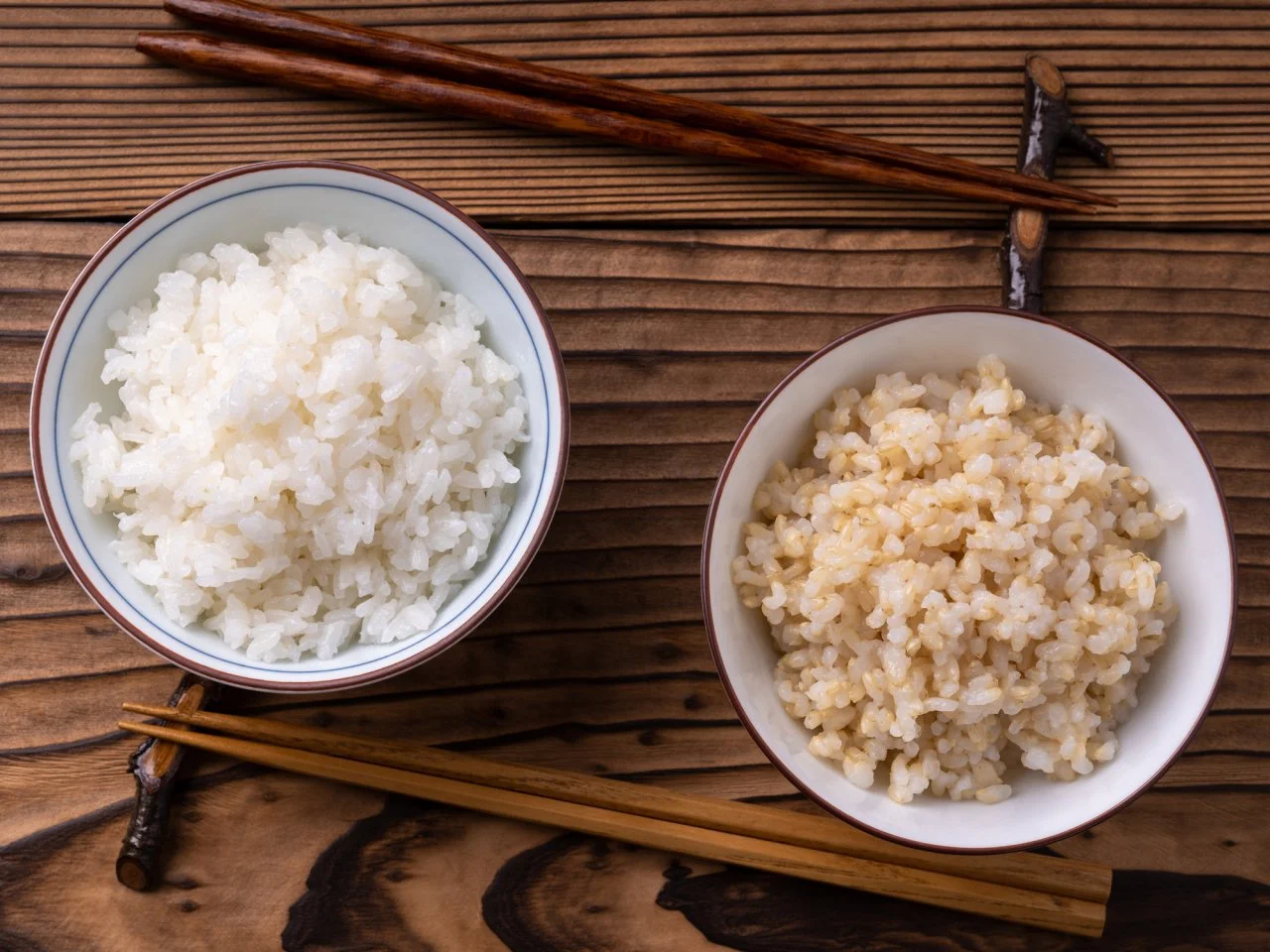
A whole grain is composed of three parts: the germ, bran and endosperm. When all these parts remain intact, the grain is considered whole like in brown rice. The bran provides fiber and that brown color. When rice is processed into white rice, the bran and germ are removed leaving the starchy endosperm and a white color.
The Nutritional Difference
As described above, brown rice has the germ and bran intact. These parts contribute nutrients to brown rice that white rice is lacking, specifically fiber, fat and protein. Other nutrients found in the germ and bran include numerous B-vitamins, iron, phosphorus, potassium and zinc. White rice usually has B-vitamins and iron added back in (which is why you see the word enriched on the package), so you'll still get those nutrients when eating enriched white rice.
The main difference between brown and white rice is the fiber content. Brown rice has more fiber compared to white. Brown rice also has a touch more fat from the essential oils in the germ, which can cause it to spoil faster than white rice.
Here’s a breakdown of the nutrition facts for both white and brown rice:
- Brown Rice (1 cup cooked): Calories: 216, Total Carbs: 44.8g, Fiber: 3.5g, Total Fat: 1.8g, Protein: 5.0g
- White Rice (1 cup cooked): Calories: 205, Total Carbs: 44.5g, Fiber: 0.6g, Total Fat: 0.4g, Protein: 4.2g
Brown rice has a touch more calories and protein; and more fiber, and total fat. It also has more of an earthy flavor compared to white rice. Brown rice also has fiber in the bran which makes it more difficult for moisture to get absorbed by the grain, and therefore it has a chewier mouth feel.

16 Healthy Brown Rice Recipes That Are Packed With Flavor 17 Photos
Brown rice is one of those good-for-you ingredients we love. It’s whole-grain and full of fiber — and the culinary possibilities are endless.
Is White Rice Healthy?
The 2020-2025 dietary guidelines for Americans recommend that half of total daily grains should be whole. However, close to 100-percent of Americans don’t meet this daily recommendation. Adding a whole grain like brown rice into your diet is a good idea. However, this does not mean you need to give up white rice. The dietary guidelines do not recommend that all your grains be whole, and white rice does provide some nutritional benefits and can fit into a healthy diet plan.
Related Content: