

.jpg.rend.hgtvcom.126.196.suffix/1789013089131.jpeg)












8 Best Vegan Protein Powders, According to a Nutritionist
These are powerful protein powders made for vegans and vegetarians alike.


Grace Cary/Getty Images
Plant-based protein powders offer an additional option for those who follow a vegetarian style diet, avoid dairy, or are looking for an alternative to whey protein. However, choosing a plant-based protein powder can be tricky since some may be missing important elements needed for building muscle. Vegan and vegetarian exercise enthusiasts need to look for a product with all nine essential amino acids (EAAs) — the building blocks of protein that serve a variety of vital functions, like helping you build and maintain lean body mass. Here are some of the best plant-based protein powders that sports nutrition experts and registered dietitians reach for.
Our Top Vegan Protein Powder Picks
-
$50 at Amazon
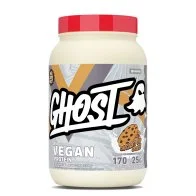
Best Flavor (Not Vanilla or Chocolate)
Best Flavor (not vanilla or chocolate): GHOST Vegan – Chocolate Chip Cookies -
$50 at Momentous
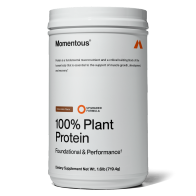
Best Brand You've Never Heard Of
Best Brand You've Never Heard of - Momentous 100% Plant Protein Powder


Also in This Article

- Simple ingredients
- Ample protein dose
- Limited flavor selection
This minimalistic powder delivers high quality pea protein and a few simple flavorings. This is a great plant-based option to use in recipes that call for a protein boost like energy bites, overnight oats, and fruit dips.
- Protein Type Pea protein
- Protein Per Serving 25 grams per 2 scoops (46g)
- Calories Per Serving 170 calories per 2 scoops (46g)
- Third Party Tested FDA Nutrition Facts

- Third party tested
- Organic
- Lower in protein scoop
This organic, reliable and 3rd party tested brand has 15 grams of protein from seeds and legumes, plus a plant-based recovery blend with antioxidant-rich ingredients to help fight some of that post-exercise inflammation.
- Protein Type Blend (pea, beans, lentils)
- Protein Per Serving 15g per scoop (22.5g)
- Calories Per Serving 85 calories per scoop (22.5g)
- Third Party Tested Yes (NSF for Sport)

- Great flavor and texture
- Need a two scoop serving to get to 20g protein
A unique blend of pea, chia, cocoa powder, and sunflower oil might be what gives this protein powder such amazing chocolatey flavor and texture. Be cautioned that the nine grams of fiber per serving is generous!
- Protein Type Blend (pea, chia, and cranberry seed)
- Protein Per Serving 20g per serving (50g)
- Calories Per Serving 200 calories per serving (50g)
- Third Party Tested Yes (NSF for Sport)

- Affordable
- Great taste
- Not third party tested
Marie Spano, MS, RD, CSCS, CSSD, a sports nutritionist encourages a variety of plant-based proteins. She recommends Sprouts for your bod and your wallet. "Sprouts Farmers Market vegan protein powder offers a mix of plant proteins (therefore containing all EAAs) and natural nutrient-rich ingredients, plus great taste at an affordable price."
- Protein Type Blend (pea, brown rice, flax)
- Protein Per Serving 20g per scoop (32g)
- Calories Per Serving 120 calories per scoop (32g)
- Third Party Tested No

- Simple ingredient list
- Organic
- High in iron
- Unflavored
- Missing adequate EAAs
Quickly becoming the new "it" plant protein, pumpkin seed derived products add nutty flavor and five grams of protein per tablespoon. It is a great addition to shakes and protein balls, plus it adds important minerals like magnesium, iron, and zinc.
- Protein Type Pumpkin seeds
- Protein Per Serving 10g per 2 tbsp (15g)
- Calories Per Serving 60 calories per 2 tbsp (15g)
- Third Party Tested FDA Nutrition Facts

- Fun flavors
- Need a big scoop to get 25g protein
Ghost protein brand boasts fun packaging and even more creative flavors. The Chocolate Chip Cookies flavor makes an awesome addition to protein shakes, smoothie bowls, and overnight oats. Other fun flavors include Cinnabon and Chocolate Cereal Milk.
- Protein Type Blend (pea, pumpkin seed)
- Protein Per Serving 25g per scoop (47.5g)
- Calories Per Serving 170 per scoop (47.5)
- Third Party Tested FDA Nutrition Facts

- Simple ingredient list
- Affordable
- Unflavored
Soy-based protein powders are one-stop shopping for all your essential amino acids — it is one of the few plant-based exceptions, meaning it’s a plant-based food that, like animal products, offers all nine essential amino acids.
- Protein Type Isolated soy protein
- Protein Per Serving 20g per 1/3 cup (24g)
- Calories Per Serving 90 calories per 1/3 cup (24g)
- Third Party Tested Yes (Informed Sport)

- Third party tested
- Available in 4 flavors
- Lesser-known brand
- Higher price point
Chris Mohr, PhD, RD of MohrResults.com opts for this plant-based powder from this lesser-known brand. "Momentous 100% Plant Protein Powder is a great tasting, quality product. With 20 grams of protein per scoop, coming mostly from pea protein and complemented by brown rice protein, it offers a complete amino acid profile. Bonus: It's certified by NSF to ensure what's on the label is in the product and nothing more."
- Protein Type Blend (pea, brown rice)
- Protein Per Serving 20g per scoop (32.7g)
- Calories Per Serving 130 calories per scoop (32.7g)
- Third Party Tested Yes (NSF for Sport)
FAQs
Who should use vegan protein powder?
Anyone can use a vegan protein powder to get more supplemental protein in their diet. Plant-based options are desirable for people that adhere to a vegan diet, but are also well-suited for vegetarians and omnivores alike. If you're pregnant, you should speak with your doctor before adding any protein powder to your diet.
How much vegan protein powder should you take?
Doses vary by brand, but a good target would be 15 to 25 grams per serving. Limit intake of any protein powder to 1 serving or less per day to leave room for plenty of protein-rich foods at most meals and snacks. Supplements, like protein powders, are meant to meet voids in the diet, not replace nutrient-dense foods.
Is vegan protein powder as effective as whey protein?
Whey protein has been more widely studied, and data suggests it is the most highly absorbable form of protein powder. Whey protein is derived from milk and contains all the EAAs; depending on the food source, isolated plant-based proteins are missing one or more. This is why most vegan protein powders are made from a blend of various plant sources that yield all the EAAs you need.
Which type of plant-based protein is best?
There is no one best protein powder and as with all foods, personal tolerance may vary. Soy and pea protein powders contain plant-based proteins with all the EAAs but several other products offer blends of grains, legumes, and other plant-based proteins that offer the same panel of amino acids. Since dietary supplements are poorly regulated, competitive athletes or those with dietary restrictions should seek out supplements with third-party verification from companies like NSF Certified for Sport and Informed Sport to ensure label accuracy.
How to Read an Ingredient List
When seeking a protein powder, it’s important to realize that they are not one-size-fits-all. Protein sources vary and it’s worth checking those lengthy ingredient lists to make sure you know what you are getting. Many brands also contain a lot more than just protein. Check ingredient lists carefully for additional ingredients including caffeine, creatine, probiotics, vitamins, and minerals. While some of these add-ins may be desirable, you should know if they are part of your protein supplement or not. Most protein powders are also sweetened with calorie-free sweeteners like stevia, sucralose, and monk fruit. This keeps the calories and carbs low, which may not be ideal for recovery. Since dietary supplement manufacturers do not have to follow FDA guidelines for ingredient disclosure, seeking a third party tested brand or a product with a label titled "Nutrition Facts" (as opposed to a "Supplement Facts") is the best way to help ensure the label is accurate.
*This article was written and/or reviewed by an independent registered dietitian nutritionist.
Dana Angelo White, MS, RD, ATC, is a registered dietitian, certified athletic trainer, and owner of Dana White Nutrition, Inc., which specializes in culinary and sports nutrition. She is the author of four cookbooks First Bites: Superfoods for Babies and Toddlers, The Healthy Air Fryer Cookbook, The Healthy Instant Pot Cookbook and Healthy Quick and Easy Smoothies.
Related Content:


