










How to Cook Rice: A Step-by-Step Guide
Get perfect rice every time with these instructions for the classic method, the pasta method, the pilaf method and more.

There’s lots of info out there on how to cook rice. But the back of the package says one thing, and your favorite blog says something else. That's why the recipe developers at Food Network Kitchen put together this tried-and-tested guide. We'll walk you through all the different ways to make rice, and ensure it never comes out mushy, gummy or burnt. This guide is mostly for white rice — looking for brown rice? Check out our story How to Cook Brown Rice.

Matt Armendariz
How to Cook Rice on the Stove
The Classic Method
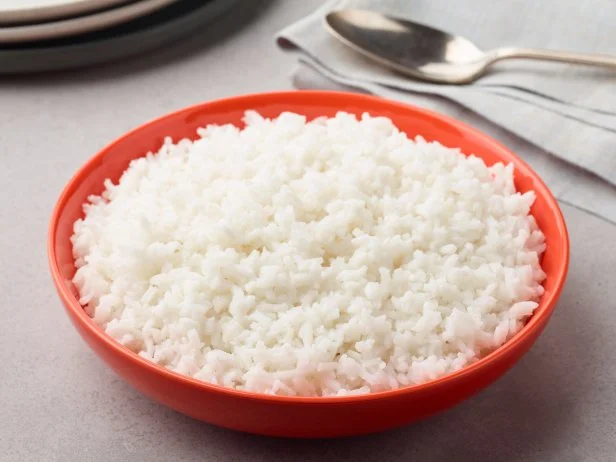
When you think about making rice, this is the technique that probably comes to mind first — and it starts with a 2:1 ratio of water to rice. This method works well with long-grain white rice. If you've got a short-grain rice, you can always check the package instructions for how to tailor this technique.
- Rinse the rice.
- Add 2 parts water and 1 part rice to a large pot. For slightly firmer rice, use 1 part water to 2/3 parts rice.
- Bring the water to a boil. Once it's boiling, add a big pinch of salt.
- Reduce heat and cover. Reduce heat to low, cover the pot with a tight fitting lid, and maintain a gentle simmer.
- Cook for 18 minutes — don't peek! Cook until the water is absorbed, about 18 minutes. Try not to peek until the end of the cooking time so the steam doesn't escape. Don't mix the rice while it's cooking — this will lead to gummy rice.
- Let the rice rest covered. Turn off the heat and let the rice sit, covered, for 10 minutes. During this time, the rice will steam for extra fluffy results.
- Fluff the rice with a fork
Renee Comet
Get the Recipe: Perfect Long Grain White Rice
The Pasta Method
You can also cook rice like pasta in an unmeasured amount of water. This is a great technique for varieties like brown rice and wild rice that take a long and sometimes unpredictable amount of time to cook. It's also a smart way to cook an extra-large batch rice without a rice cooker. It can be tricky to nail big batches cooked using the classic method because there's so much more water that needs to be kept at a constant simmer. Here's what to do instead.
- Rinse the rice.
- Bring water to a boil, then add the rice. Fill the pot with water (no need to measure), just like you do with pasta water. Bring it to a boil, season with salt, and then carefully add your desired amount of rice.
- Maintain a boil. Boil uncovered without stirring until the rice is softened through but still a tad al dente (read: not mushy).
- Drain the rice. Drain the rice through a fine mesh strainer.

Matt Armendariz
The Pilaf Method
When you're cooking aromatic varieties of rice like Basmati and Jasmine, this method's techniques can enhance their naturally nutty flavor.
- Rinse the rice.
- Toast the rice to complement the nuttiness. When you toast aromatic rice, the results pay off exponentially. Add 1 part rice to a pot with a dab of oil or butter and cook over medium until it looks toasted and smells nutty, 2 to 3 minutes.
- Bring water to a boil before adding it to the rice. Meanwhile, bring 2 parts of water to a boil. Pouring already boiling water on top of the rice helps control the exact amount of water you're adding, which is important for basmati and jasmine rice because they're on the starchy side and can end up gummy. You're aiming to achieve separate grains.
- Simmer the rice. Reduce the heat to low, cover and simmer until the liquid is absorbed, about 18 minutes.
- Let the rice rest covered. Turn off the heat and let the rice sit, covered, for 10 minutes to allow it to steam.
- Fluff with a fork.

Matt Armendariz
Why Rinse Rice Before Cooking?
No matter how you're cooking your rice (or which variety you've got), it's important to rinse those grains. Doing so removes excess starch. Left on the rice, the starch results in unappealing, gummy results. Some recipes will tell you to place the rice in a bowl and change the water several times, but we think the easiest technique is to rinse it in a fine mesh strainer. Agitate the grains with your hands as you run water over them. When the water runs clear, you're done rinsing. Having trouble seeing whether or not it's clear? Put a clear bowl underneath the water draining off the rice, let any bubbles settle away and then take a look.

Matt Armendariz
Should You Toast the Rice?
This step isn’t necessary. But if you have the time, it enhances the natural flavor of the rice. Simply heat a teaspoon of butter or olive oil over medium heat in the pot you’re going to cook the rice in. Add the rice and stir it frequently until it starts smelling nutty — a bit like popcorn. When toasting white rice, you’ll see it turn pale tan.

Matt Armendariz
What Does It Mean to "Fluff" Rice?
Many rice recipes conclude with the simple instructions: "fluff rice." This just means you should stick a fork into the rice and break up any grains that have clumped together.
How to Cook Rice in a Rice Cooker
Rice cookers work swiftly by reducing air pressure above the liquid, encouraging it to boil faster. Brilliant! For even more info, check out our story How to Cook White Rice in a Rice Cooker.
- Rinse the rice.
- Use a 1:1 water to rice ratio. This ratio works best with batches on the larger side. While it can be used with smaller amounts, the water doesn't absorb at the same rate, which could affect your end result. You'll have to play around a little with the cooker, using your manual's guidelines, to see what works best with different recipes and for your individual needs.
- Let the rice cooker do all the work for you. Press the "on" button and the cooker will handle the cooking time.
- Let the rice rest covered. Let it rest, covered, for about 10 minutes for fluffy results.

Read our shopping experts' reviews of the top-tested rice cookers.
How to Cook Rice in the Microwave
This technique works for long, medium and short grain rice. It's fast and produces fluffy results.
- Rinse the rice.
- Use a large heat-safe container. A large bowl square baking dish works perfectly. Keep in mind that the rice will expand as it cooks.
- Use 2 parts rice to 3 1/2 parts water.
- Microwave on high uncovered first. Microwave until steam holes appear and a lot of the water has disappeared. If you're using 2 cups of rice, this will be for about 10 minutes.
- Microwave covered on medium-low. Use heat-safe plastic wrap and cook until the liquid is completely absorbed (about 15 minutes for 2 cups of rice).
- Fluff and season before serving. Use a fork to fluff the grain, seasoning as you do this.

Armando Rafael Moutela, 2014, Television Food Network, G.P. All Rights Reserved 2014, Cooking Channel, LLC All Rights Reserved
Get the recipe: Perfect Microwave Rice
More Ways to Cook Rice

42 Essential Rice Recipes You Can Make Any Night of the Week 44 Photos
If you’ve got rice in your pantry then you’re well on your way to something delicious. By adding just a few other ingredients, you can turn this versatile grain into a savory side dish, a satisfying main—or even dessert!
The Food Network Kitchen team develops recipes, tests products, preps for Food Network shows, produces videos and social content, hosts events and much more. "Food Network Kitchen" is the marker of this team's inspiring, helpful and trustworthy content on FoodNetwork.com.