

.jpg.rend.hgtvcom.126.196.suffix/1789013089131.jpeg)















I Tried Instacart’s A.I.-Powered Grocery Shopping Cart
Can smart carts really help you stay within budget? Or make grocery shopping more fun?

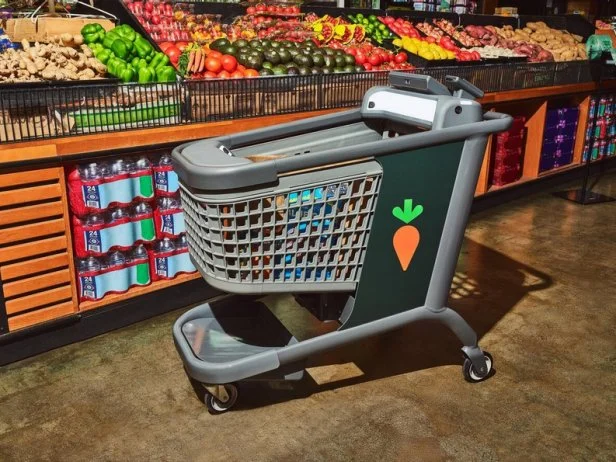
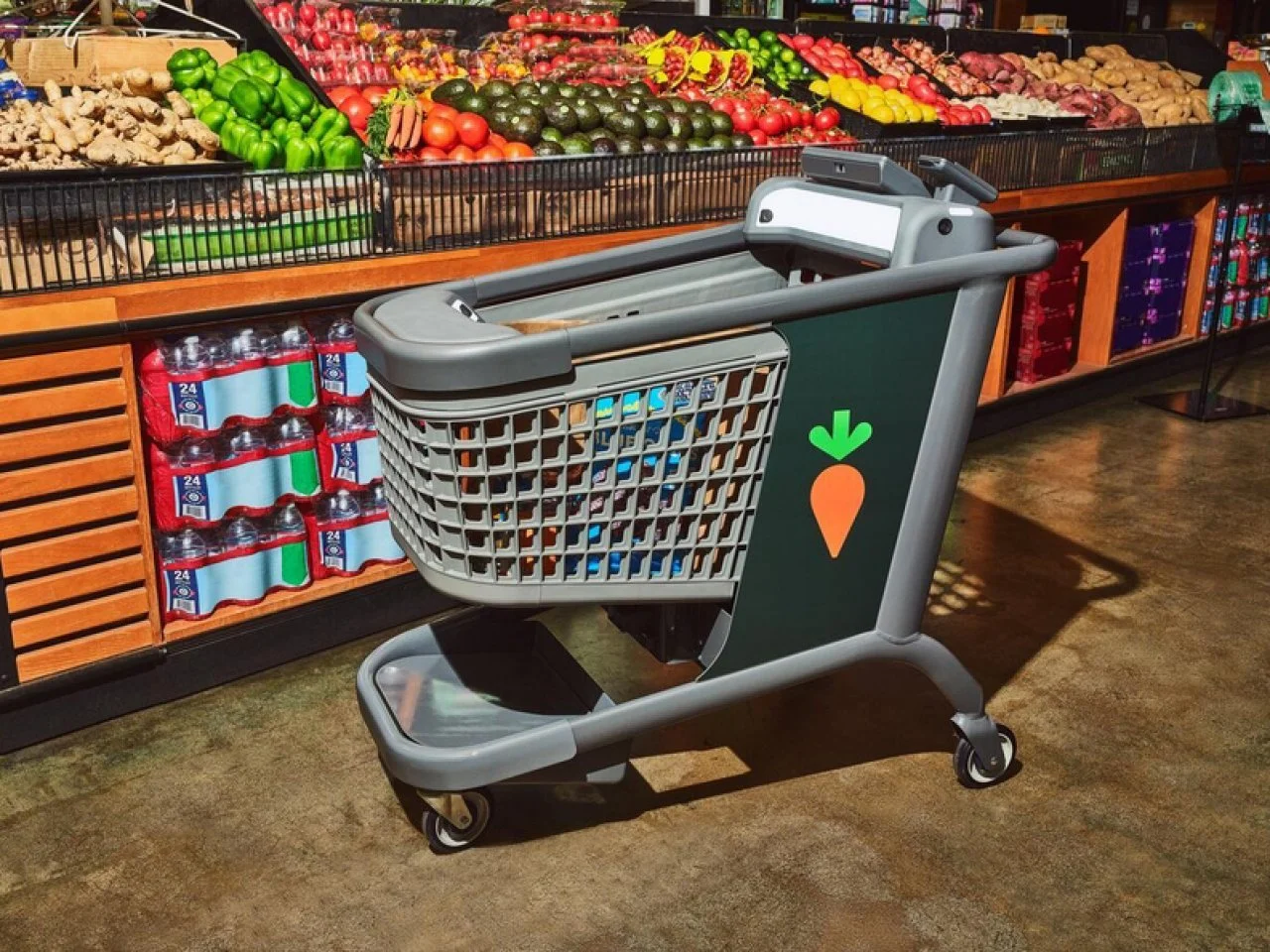
Photo courtesy of Instacart
Grocery shopping can be a hassle, if also sometimes fun. But it doesn’t usually feel like a game. Instacart is trying to change that with its newly enhanced Caper Carts.
The grocery-tech company is now upgrading its A.I.-equipped smart carts by adding three additional capabilities. The carts will now offer shoppers location-based coupons, alerting them to deals and discounts for items nearby; ads targeted to the aisles they are in; and “gamified quests” that promise to “make grocery shopping feel like an adventure.”
The quests could be something like a “treasure hunt” approach to shopping, where customers follow store maps to find flash deals. Or they can earn rewards — $10 off a subsequent shop, say — for maintaining a “shopping streak” by using a Caper Cart for several shops within a month. “Quests will appear on the Caper Cart digital screen with lights and sounds to alert customers when they are available,” the brand says.

Amy Reiter
In case you haven’t encountered them, Instacart’s Caper Carts are high-tech, A.I.-enabled grocery carts with an interactive touch-screen tablet, cameras, sensors, a built-in grocery scanner, an integrated scale to weigh produce and other bells and whistles that allow it to automatically recognize and track items as you shop. For a few years now, the carts have been rolling out to U.S. retailers including Bristol Farms, Fairway Market, The Fresh Grocer, Geissler’s Supermarket, Kroger, McKeever’s Market & Eatery, Price Chopper, Schnucks and ShopRite, as well as Aldi in Austria.
People who’ve tried the smart carts are really into them. In a viral video, one TikToker called Caper Carts “amazing” and “the Cadillac of all shopping carts.” So when Instacart invited me to its New York offices for a Caper Carts demo, I had to try them for myself.
In an in-office grocery-store replica, David McIntosh, Instacart’s chief connected stores officer, showed me how the cart could scan and weigh, integrate coupon savings and allow me to track my items to stay within budget, and pay for my items right from the cart. You can also sync the cart with your Instacart shopping list, get store loyalty rewards and “spin” for money off your purchase if your shop reaches a set dollar threshold, among other features.
The carts are “ushering in a new era at the grocery store – making shopping more delightful while delivering a seamless experience for customers, retailers and brands,” McIntosh says. “Over the last six months, we’ve more than tripled our Caper Cart footprint and plan to reach thousands of carts live in stores in the coming months.”
After the in-office demo, which impressed and intrigued me, I decided to head to a nearby store to try out a cart (albeit one without the three new features) in the wild for an actual grocery shop.
A store employee offered me one of the Caper Carts that sat next to a line of traditional, non-high-tech carts. He showed me how to sign up on my phone for the store loyalty program so I could get the store-loyalty coupons and rewards. I entered my new info into the cart’s tablet interface, and off I went.
First I picked up a couple of bags of potatoes, scanning them and dropping them into my cart with ease, and then watching the items pop up onto the cart’s screen and get calculated into my running total. I also picked up a honey that was on sale, and the sale price popped right up when I scanned it, as did a running total of my savings. If I’d brought my own bags, which I hadn’t because I’d decided to shop on a whim, I could have loaded all my items directly into the bags in the cart.

Amy Reiter
When I noticed that another brand of potatoes were less expensive than the ones in my cart, I was afraid things would get complicated, but all I had to do was remove the first two (pricier) bags of potatoes from my cart and it instantly removed them from my on-screen total. I scanned in the less expensive potatoes, saving myself $2. The switch was no trouble at all. But I could see how the forthcoming cart feature alerting me to a deal nearby would save me time, effort and money.
After scanning and tossing in a handful of other needed items I picked out an apple and entered in the produce-sticker number into the cart’s interface, then I placed it in my cart and watched the weight and price come up and calculate into my total.
Once I’d shopped for my needed items, I realized I was a few dollars shy of the $35 threshold the store set to be able to “spin” for savings, so I splurged on a few more items to get there. Then I clicked the spinner and got $10 off my shopping order. (I secretly wondered if the good spin results were actually randomized or if I was being rewarded for either joining the store loyalty program or trying out the Caper Cart for the first time and being incentivized to use it again.)
Unlike the cart I tried at Instacart’s offices, the Caper Cart in the grocery store didn’t have a built-in card reader that allowed me to pay for my items directly from the cart. Still, I didn’t have to stand in the regular checkout line, load my items onto a conveyor belt, nor wait for a cashier to scan and load them into bags.
My store had a priority lane for Caper Cart users. An employee helped me pay with my card on another screen and load my bags.
Also in the priority lane was a shopper with a couple of items who said he always used the Caper Carts and found them easy and time-saving. Another person with a Caper Cart heaped with items, though, was pulled off to the side, awaiting help from a store worker because he had overloaded his cart. Still, he said he believed using the cart had been worth it.
Personally, I found the whole Caper Cart experience fun and empowering. I enjoyed scanning my own items and watching my shopping bill calculate in real time. I suspect that, on the one hand, this saved me money, because I was less inclined to toss in impulse purchases without considering the cost. On the other hand, though, the Caper Cart prompted me to buy a bit more to reach the threshold for “spinner” savings. In the end, however, the $10 reduction in my bill from the spinner reward more than made up for the extra items.
While regular carts don’t seem to be going anywhere, there are plans to expand Caper Carts; similar smart carts will also be rolling out. Will you be giving them a try?
Related Content: