

.jpg.rend.hgtvcom.126.196.suffix/1789013089131.jpeg)














Canned Fruit: Good or Bad?


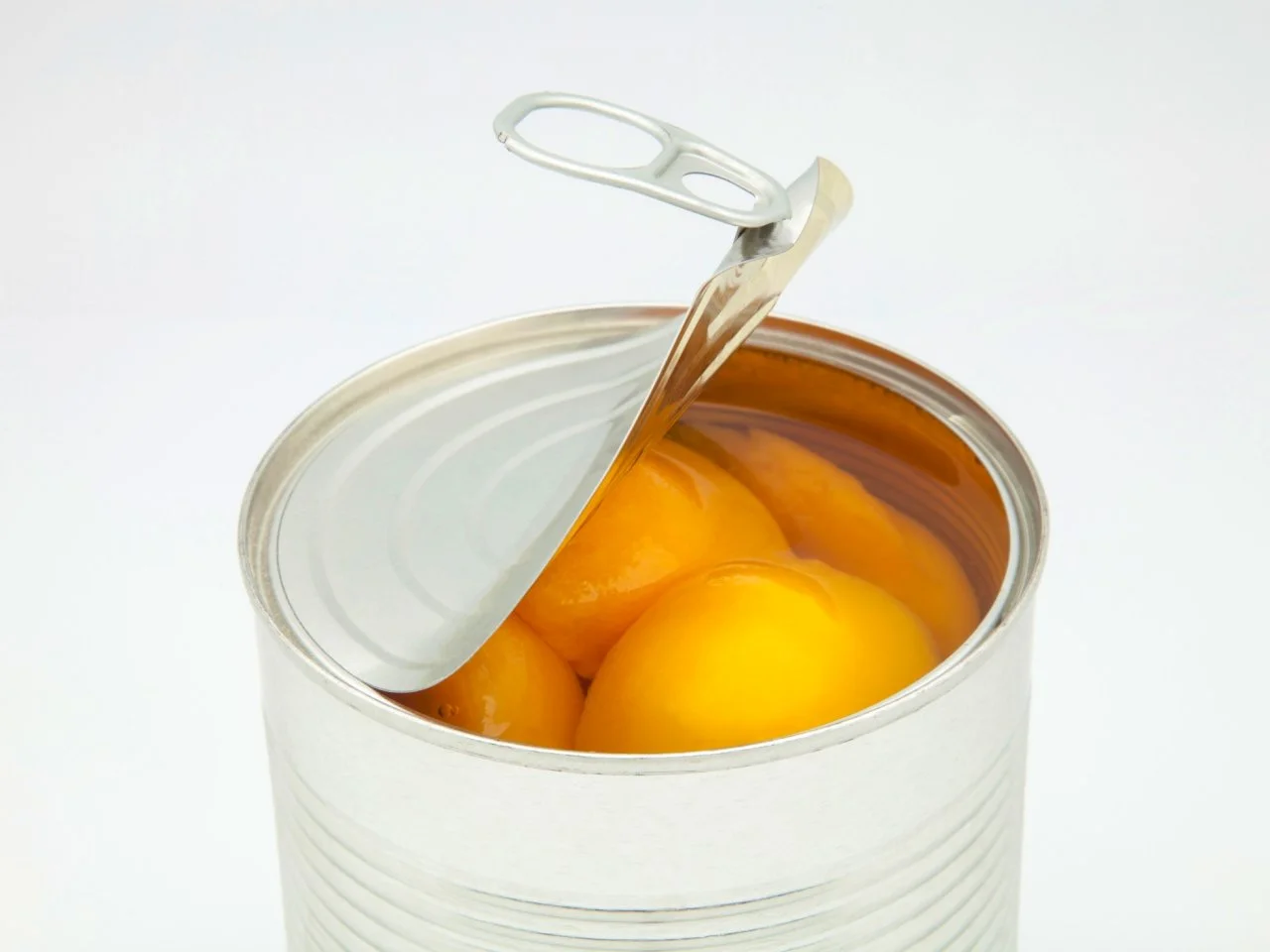
With the availability of fresh fruit dwindling as the cold weather sets in, canned varieties can be a healthy alternative. But not all canned varieties are created equal.
According to the USDA’s Dietary Guidelines, adults should eat at least 2 servings of fruit each day. And canned fruit can absolutely be just as healthy (if not more) than its fresh counterpart.
When storing fresh fruit for many days, the vitamin C content tends to diminish (the vitamin is easily destroyed by exposure to air). Canned fruit, however, will still retain much of its vitamin C—even when stored for several months—a clear advantage over fresh. Many fresh fruits are also shipped for miles or sit in storage for days before being enjoyed. This also leads to degradation of their nutritional content.
Fresh fruit can cost a pretty penny when out of season. Canned is a great way to enjoy fruit any time of year. Check your circular or favorite brand online--you can often find sales and coupons for canned fruit.
Fruits canned in heavy syrup coat healthy pieces of fruit with loads of added sugar. One-half cup of pears canned in their own juice provides 60 calories and 12 grams of sugar. However, when packed in heavy syrup, the same amount contains 100 calories and 19 grams of sugar. Those extra 40 calories and 7 grams of sugar are all from added sugars.
Fruit cocktail may seem like a tasty alternative, but buyer beware! Many varieties are packed in heavy or light syrup, plus those cherries often contain artificial colors. When shopping look for brands packed in juice and without an artificial red color.
Improperly canned fruit (especially when home-canned) can also pose a risk for botulism—a serious foodborne illness. To minimize your risk, avoid bloated, dented or leaking cans or those with a flawed seal. If you open a can and it’s foamy or has a funky odor—discard it immediately without tasting the contents.
The Bottom Line: Canned fruit can certainly be a part of a healthy eating plan, but it’s important to read labels and choose cans wisely.
Toby Amidor, MS, RD, CDN, is a registered dietitian and consultant who specializes in food safety and culinary nutrition. See Toby's full bio »