Next Up

9 Ways to Get More Iron

Iron deficiency is the most common nutritional deficiency in the US, but it's easy to correct. Here are a few iron-rich foods to include in your daily diet.
Photo: morisfoto/Getty Images ©
Scroll For More Photos
1 / 10

Iron-Rich Foods

Iron is an essential mineral that's vital to good health in numerous ways. Include these nine iron-rich foods in your diet to help avoid a deficiency.

More photos after this Ad

Photo: FotografiaBasica/Getty Images ©
2 / 10

Beans

The humble bean is a veritable superfood. In addition to boasting fiber and protein, beans are super high in iron and zinc — two minerals typically found in meat. A cup of cooked beans has up to 5 mg of iron (28% of the daily value)! Add them to burritos, dip veggies in bean dips or turn them into a hearty soup.

More photos after this Ad

Photo: Lew Robertson ©
3 / 10

Fortified Foods

Many breakfast cereals and alternative milks (soy, almond) are fortified with iron. These are good options for getting iron into your breakfast. For the healthiest cereals and milks, read labels and choose ones that are low in added sugars and at least 10% of the daily value (DV) of iron.

More photos after this Ad

Photo: yun miao/Getty Images ©
4 / 10

Seafood

Several kinds of fish and shellfish are excellent sources of iron. Clams, calamari and oysters all have at least 10% of the DV. Yet another reason to order raw oysters at happy hour.

More photos after this Ad

Photo: Thomas Gasienica/Getty Images ©
5 / 10

Edamame

While technically part of the bean category, edamame deserves its own shout-out, since it can be eaten as a stand-alone food. Plus, a single cup of edamame delivers 20% of the DV for iron. Keep frozen edamame on hand for a protein-and-iron-rich snack.

More photos after this Ad

Photo: jantroyka/Getty Images ©
6 / 10

Some Vegetables

Lots of vegetables have a good amount of iron. Some of the richest sources include hearts of palm, tomato sauce, Jerusalem artichokes, spinach, asparagus, peas, pumpkin and sweet potato. You might be more familiar with some than others — yet another reason to get a variety of veggies in your diet.

More photos after this Ad

Photo: Janine Lamontagne ©
7 / 10

Whole Grains

In case you need another reason to eat whole grains, here’s one: Most grains have between 1 and 2 mg of iron per serving—that’s between 6 and 11% of the DV. So dig into oatmeal, whole-grain pasta and more adventurous grains, such as sorghum and teff.

More photos after this Ad

Photo: fpwing/Getty Images ©
8 / 10

Nuts and Seeds

Seeds (pumpkin, sesame, sunflower) and cashews are all good sources of iron. They also give you healthy fats and protein. Add them to baked goods or sprinkle them on savory dishes for extra crunch.

More photos after this Ad

Photo: Rosette Jordaan ©
9 / 10

Dried Fruit

Dried raisins, apricots and peaches are among the dried fruits that deliver iron—1/2 cup of dried apricots have 20% of the DV. Some fresh fruits are also good sources, including tamarind, mulberries and elderberries, while other types of berries—strawberries and blackberries—also have a good amount. Make muesli or granola with oats, dried fruit and nuts, or add dried fruit to trail mix.

More photos after this Ad

Photo: Berkant Sezer ©
10 / 10

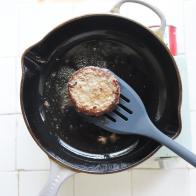
Lean Red Meat

Meat, poultry and seafood are the only sources of heme iron–the kind that’s most easily absorbed by your body. While organ meats are the most loaded with iron, delivering up to 100% of the DV, other cuts of meat are also good sources, providing up to 15% of the DV in 3 ounces. Maximize the iron content by pairing with other iron-rich foods, such as tomato sauce or beans.

Next Up

We Recommend